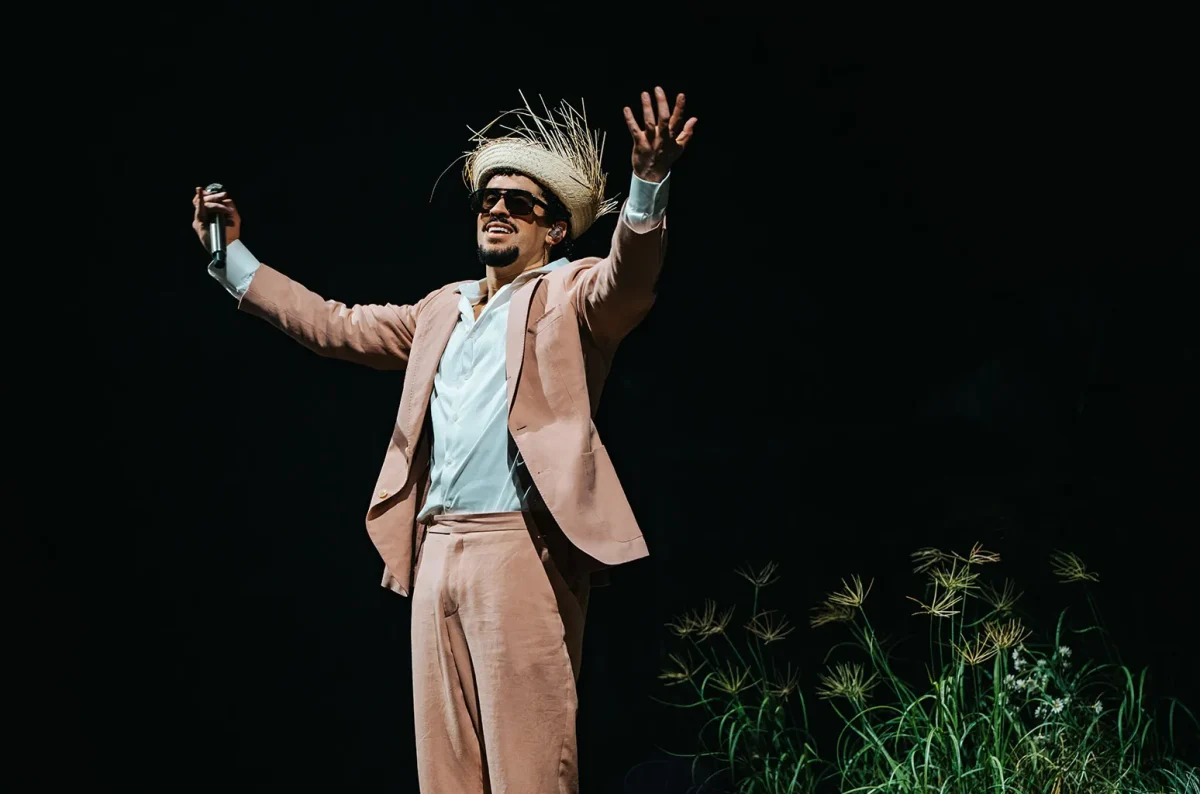

Purple lights dance across the stage floor, and the analog microphone crackles. Sounds cry against the speakers like howling towards the Miami moon of April 7th, 1985. Boots squeaked against the winged stage floor. His voice hypnotized fans into a labyrinth of notes. This was the magical dove-like charm of Prince, and his musical impact was impossible to ignore. He consistently broke music charts and shattered the expectations of record labels. Prince was not a musician; he was an unshakable musical mountain.
Early Life: Prince (Prince Nelson Rogers) was born June 7, 1958, in Minneapolis, MN. He was raised by parents who were deeply involved in music, causing arguments, strict/demanding behavior, absence due to touring, and pressure to meet expectations, causing personal instability, which fueled his drive for music. At seven-years-old, he learned how to play the piano, and at 14-years-old, he learned the guitar/drums due to watching his parents sing/play instruments, then attempting to recreate notes he heard. Prince was also bullied for his shy and introverted nature at school. He grew independence from his traumas (epilepsy issues, bullying, family tensions, etc) at a young age, yet was also incredibly talented in sports such as football, basketball, and ballet. Before focusing on a solo career at 14, he had joined a band called Grand Central, which taught him collaboration skills, stage presence, and song experimentation. Prince left Grand Central in 1976 to focus on his individual musical goals. When he was 19, he signed with Warner Bros. in 1977 to receive resources for his music.
“I saw Prince play Sign O The Times in 2004 in Philly. Amazing show. Prince was a supremely talented artist. There was really no one like him,” said fan Donald Biordi.
The Big Boom: Prince’s individual music career started off in the late 70’s; however, his music boomed in popularity during the 1980’s. The late 70’s were the foundation of his works (For You and Prince); however, he was considered niche, and his R&B/Funk works were not popular in a disco music-dominated decade. His albums from the late 70’s didn’t chart highly due to this (example: The For You album only made it #163 on the Billboard 200). In 1981, the emergence of MTV allowed people to recognize and advertise his music in a creative manner. The 80’s were a period when R&B was more receptive among audiences than disco music. His breakthrough album, 1999 (released in 1982), made #6 on the Hot 100. He sold 50-55 million album copies from the 1980’s in total. In 1985 alone, his gross revenue from his concerts generated $30 million. Millions of attendees came to his concerts, marking his golden age.
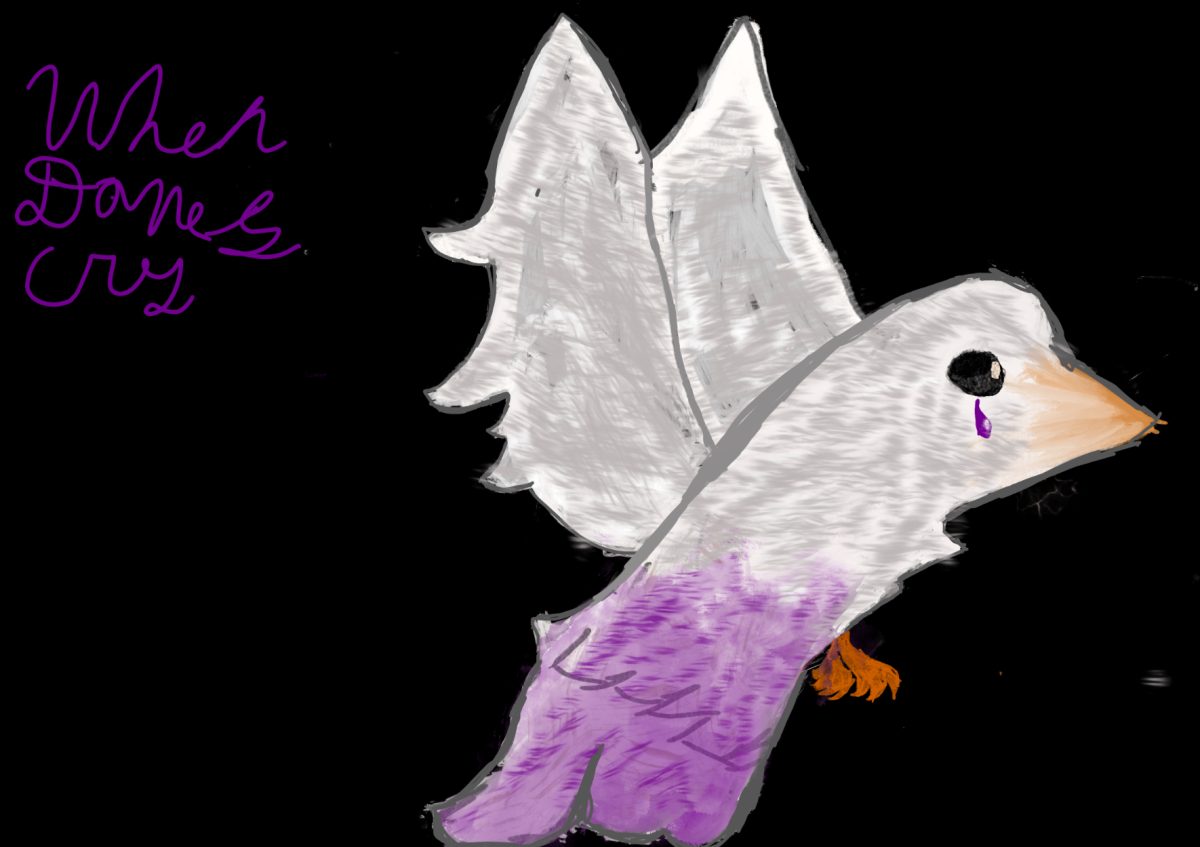
Inspirational to Fans: Prince was also an inspiration to fans in multiple ways. Prince famously had issues involving ownership, creative freedom, and album release schedules with record labels, yet the labels did not define his music, and this inspired fans to gain a voice for themselves, even if others wanted to dictate his actions. He inspired independence because his record-breaking albums showed the message that individuals do not need to rely on others to be successful. In the song, “When Doves Cry,” Prince used no bass, which was the norm for music at the time, yet it grew popular among fans, and this sent the message that people don’t need to conform to norms. Prince inspired multiple artists such as Stevie Nicks, Led Zeppelin, Stevie Wonder, David Bowie, and more.
“Prince was a great role model for my generation. Be yourself. Work hard. Be weird if you want. Do your own thing, no matter what,” said fan Scott Weinburg.
Many years after the start of Prince’s journey, his legacy has lived on for multiple decades, and this can be shown through his commemorations made throughout the years (example: Prince was nominated in the Rock ‘n’ Roll Hall of Fame in 2004), and he was an artist who had an irreplaceable voice. His passion and contributions continue to shape the future of music.