
What does it signify when a country invades another’s capital and seizes its leader? What consequences may follow? On January 3rd, 2026, just days into the new year, the United States conducted a covert operation known as “Operation Absolute Resolve” in Caracas, Venezuela which resulted in the capture of President Nicholas Maduro. At about 2 am residents in Caracas were woken up by the sounds of explosions, their city overturned into a military operation. Within hours Maduro was captured into U.S. custody under charges for narco-terrorism and more. While many in Miami and here at ILS home to a large number of Venezuelans, reacted with relief, others are questioning the legality of the operation. Was this an overreach of American power?
In the days following the operation, U.S. officials continued to defend their operation stating that it was necessary for national security and not an aggressive attack on the country itself. Many politicians around the world have voiced their concerns with how this violates International Law, specifically the use of force for state sovereignty under the U.N. Charter. President Donald Trump has taken a liking to Venezuela’s massive oil reserves, claiming them as a positive gain for the United States. He stated that the resources will be “protected” under his new leadership, since he stated that the U.S. will “run the country” for the time being. Trump emphasized that securing Venezuela’s oil aligned with U.S. economic interest. This has prompted a debate among experts on the true intentions behind his decision to intervene.
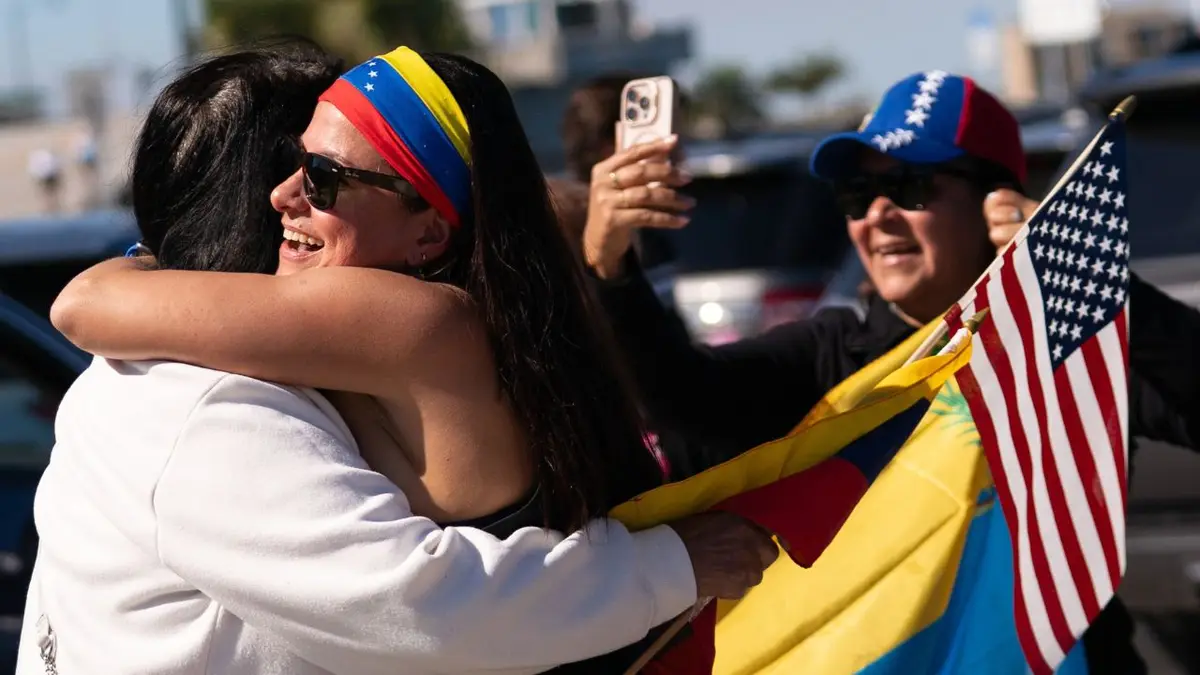
The immediate reactions of Venezuelans was to celebrate in relief that now things would change. For many these reactions were rooted in years of economic collapse and lack of necessary resources under his long term leadership. Millions of Venezuelans fled the country throughout the years, many to the United States, seeking stability only to encounter new challenges with shifting policies. In the end, where do we stand now? Since leadership was forcibly removed, Maduro remains in U.S. custody awaiting trial, but the structural issues in Venezuela are far from resolved. Many are posing the question on who holds government authority in the now empty seat. Venezuela’s humanitarian and economic crisis remains the same with little focus on improving it. As the debates over legality and leadership spike abroad, the same questions are being raised domestically.
“I found it interesting that talk of the situation died down. I haven’t been seeing much headlining news coverage on it leaving me to ask, what are the updates?” shared junior Sophie Yetming
Beyond Venezuela, the operation has raised concerns on the United States’ image globally. Foreign policy experts warn that the capture of a sitting president may affect U.S. credibility when advocating for international law. In Latin America where past U.S. interventions make for a sensitive topic, countries such as Mexico and Colombia have expressed concerns over sovereignty; extreme concerns even address the risk of war. Globally, powers such as China and Russia have strictly framed the operation as a violation of international law and condemned America’s choices.
“I think it’s obvious that something big like this is bound to upset many leaders and if it’s a violation of such an important law it will raise red flags,” shared junior Zoe Pazos.
The controversy surrounding the topic has drawn comparisons to the administration’s use of force and authority within the United States. In recent times ICE raids are being similarly defended as necessary for national security. Millions who arrived seeking protection, many from Venezuela, now face the threat of removal. While foreign intervention and domestic policies are separate topics, both raise debates on the balance between security and the limits to executive power.
The capture of Nicholas Maduro has created a global debate over the reach of American power and overreach. While some see a cause for celebrations, others remain concerned over the future of Venezuela and the new powers taking control. Whether you believe it was intervention or overreach, the question remains, not about what the United States can do but what it should do.