
In recent months, Iran has experienced widespread protests and unrest that have drawn international attention. While the events happening now are serious on their own, they are part of a longer historical pattern shaped by Iran’s political system, economy, and relations with the rest of the world.
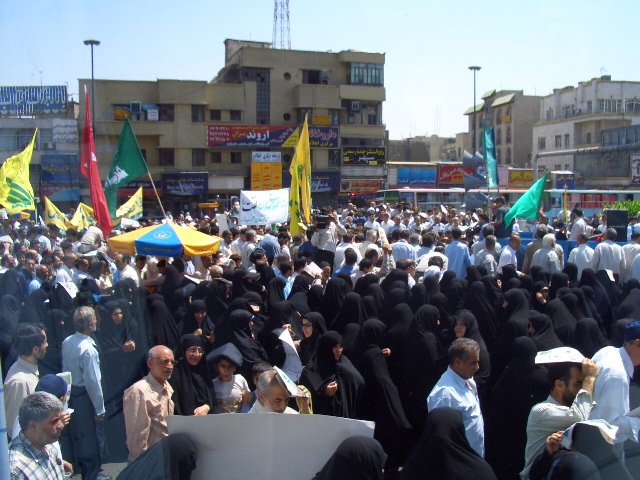
Iran’s modern political structure began in 1979, when mass protests led to the overthrow of the country’s monarchy, ruled by the Shah. The revolution resulted in the creation of the Islamic Republic of Iran, a system that combines elected institutions with unelected religious authority. Iran has a president and parliament that are chosen through elections, but the most powerful position is the Supreme Leader, who controls the military, judiciary, and state media. In addition, institutions such as the Guardian Council can approve or disqualify political candidates and block legislation. This structure has limited the ability of elections alone to bring major political change.
Mr. Gabriel Suarez, a Social Studies teacher, commented, saying, “I think it’s [the revolution] up there with the French Revolution or the Russian Revolution as far as world historical pivot points. It was where radical political Islam really broke on to the world stage, and it totally remade the region.”
Shortly after the revolution, Iran fought an eight-year war with Iraq (1980–1988), which caused large-scale destruction and economic damage. Since then, Iran has had tense relations with Western countries, especially the United States. Disagreements over regional influence and Iran’s nuclear program have led to decades of economic sanctions. These sanctions have restricted oil exports and access to global banking, contributing to inflation, a weakened currency, and rising living costs for ordinary Iranians.
Over the past several decades, Iran has experienced repeated waves of protests, including in 1999, 2009, 2017–2019, and 2022–2023. These protests often begin over economic concerns and later expand into broader political demands. Government responses have typically included security crackdowns and arrests, with limited long-term structural changes.
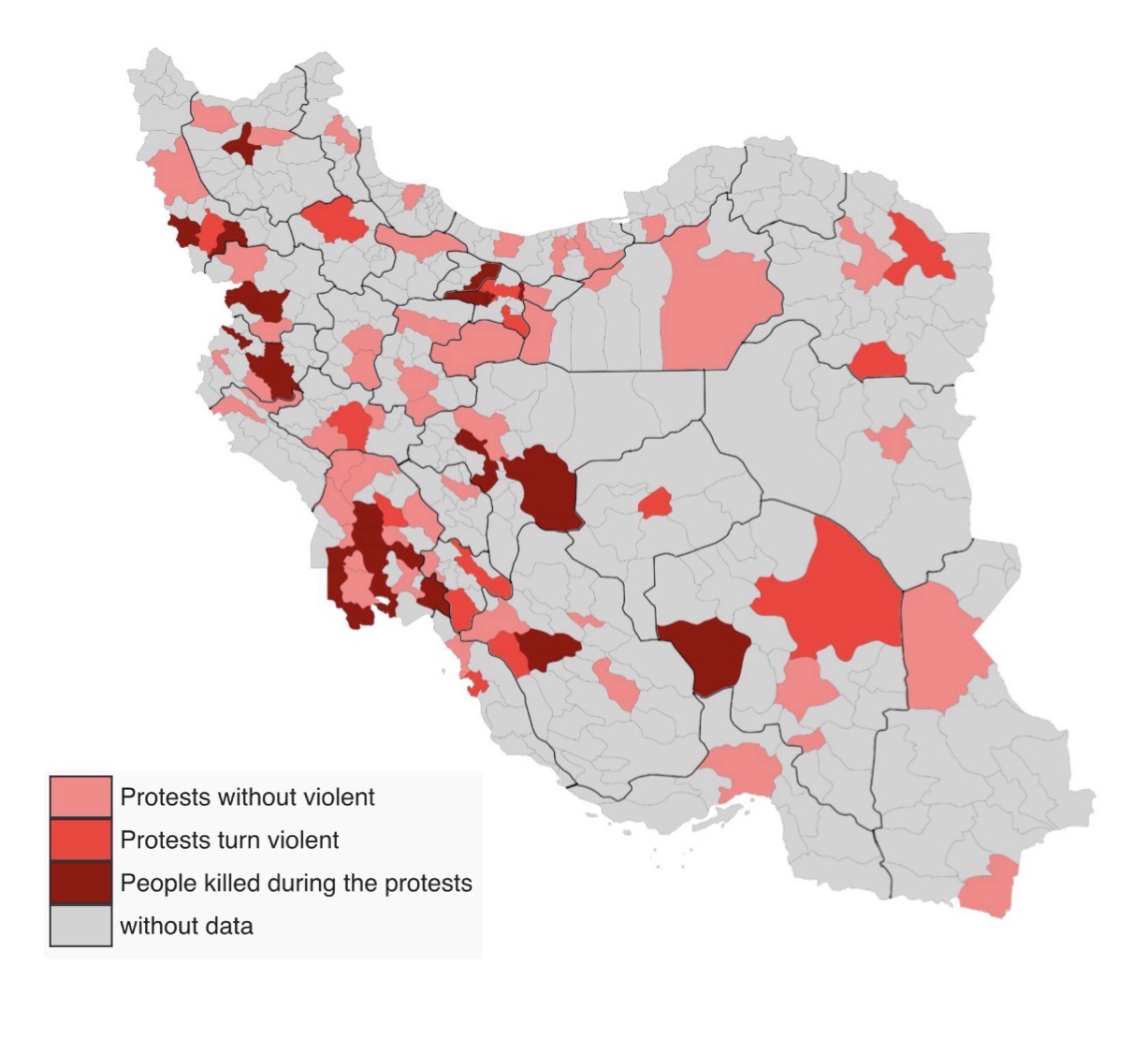
The current unrest began in late December 2025, largely in response to worsening economic conditions. High inflation, a sharp decline in the value of Iran’s currency, and increasing prices for basic goods placed growing pressure on households. Protests spread to cities across the country and involved a wide range of people, including students, workers, and business owners. As demonstrations continued, some participants began calling for broader political reforms.
In response, the Iranian government deployed security forces, carried out mass arrests, and imposed a severe internet and communications shutdown, making it difficult to verify information or organize protests. Reports from international organizations and media outlets indicate that the unrest has resulted in significant casualties and detentions, though exact numbers remain unclear due to restricted access to information. Iranian officials have stated that the measures are necessary to maintain order and national security.
International organizations and foreign governments have expressed concern, and the situation continues to develop. The events unfolding in Iran today reflect long-standing political, economic, and social tensions rather than a single cause or moment. Understanding this history helps explain why unrest has continued to reappear and why the current situation is both complex and ongoing.