
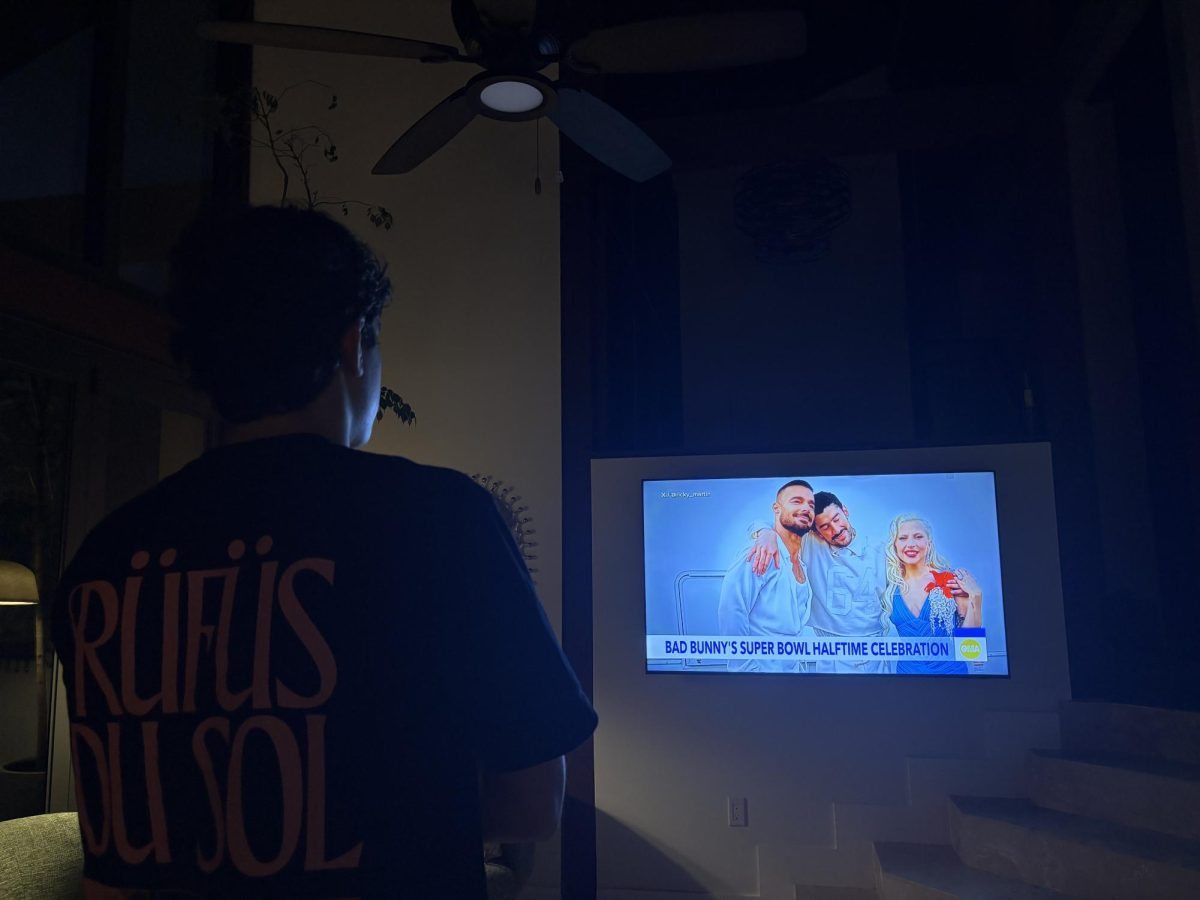
The 2026 Super Bowl came and went with a winner on the scoreboard. The Seattle Seahawks defeated the New England Patriots 29-14, but for many students at La Salle, the real winner of the night was not a football team. It was Bad Bunny, whose halftime performance became the most talked-about moment of the evening and sparked widespread conversation across campus.
On the field, the Seahawks controlled the game from start to finish. Seattle’s defense overwhelmed the Patriots, recording six sacks and three turnovers, including one returned for a touchdown. While the final score showed a two-touchdown margin, the game felt even more one-sided, as New England struggled to sustain drives or generate momentum.
Despite the decisive win, many students described the game as underwhelming.
“I don’t know much about football, but I tried to watch the game, and it just seemed like it was punt after punt,” said senior Mia Luzardo. “The Seahawks made the game slow and even harder to watch, so I was happy when halftime came.”
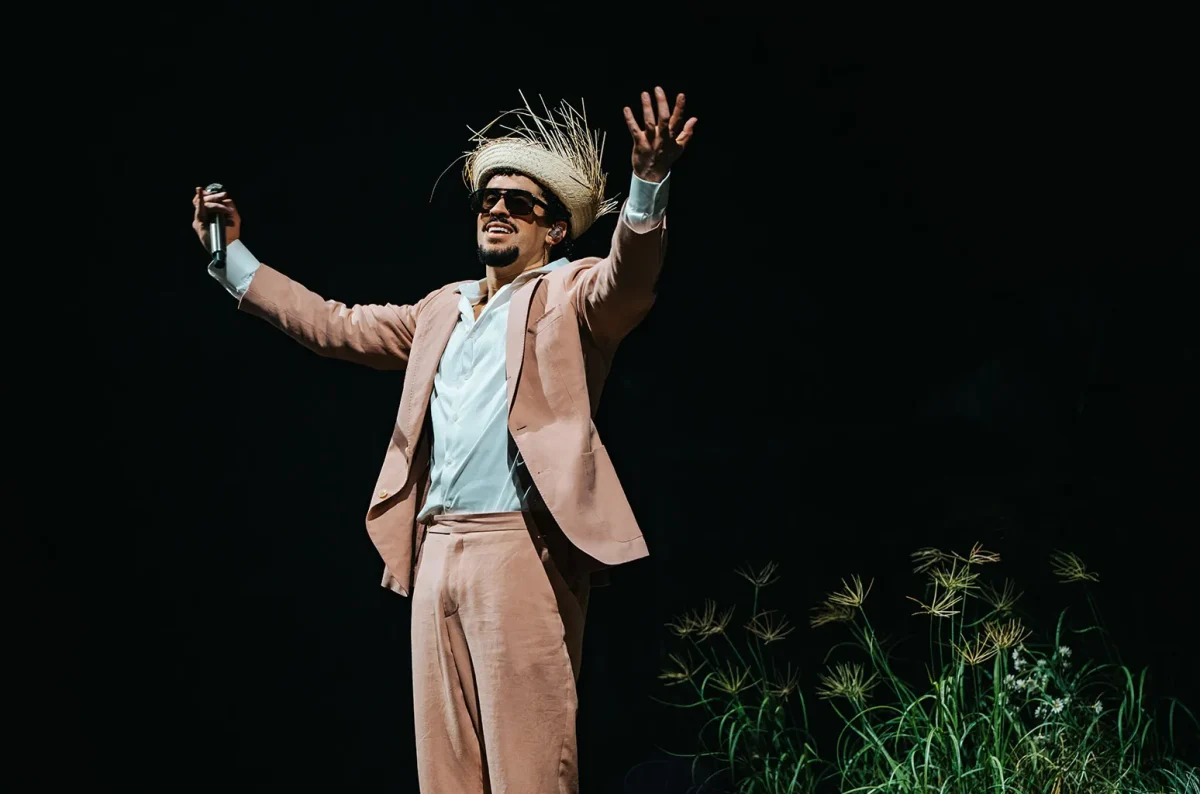
That anticipation paid off for many viewers when Bad Bunny took the stage. His halftime show immediately divided audiences nationwide. Some critics argued that he did not represent the country in a traditional way and noted that he performed entirely in Spanish. Others viewed his performance as an authentic reflection of the United States’ growing Latino population and cultural diversity.
What became clear after the show, however, was that regardless of opinion, people were watching. The halftime performance drew approximately 135 million viewers, making it one of the most watched halftime shows in Super Bowl history.
Rather than delivering a slanted political message, Bad Bunny focused on themes of identity, pride, and unity. His performance featured a large set inspired by Puerto Rican culture, including sugarcane fields, a piragua stand, a Caribbean social club, and a dominoes table. One of the most discussed moments showed a child asleep across several chairs during a party scene, an image many Latino viewers recognized as a familiar childhood experience.
Musical reactions were mixed.
“I love Bad Bunny, but during the Super Bowl performance I didn’t understand a word he said,” said senior Aya Bardawil. “He seemed more focused on the set and the scenes than the singing, but I still loved it.”
For many viewers, the music itself was secondary to the cultural impact. At a time when immigration and Latino identity are frequently discussed in national conversations, the decision to feature Bad Bunny ensured that Hispanic culture remained at the center of attention.
“I never watched a halftime show before,” said senior Sara Moreno, “but this one was talked about so much that I didn’t want to miss it.”
Although the halftime show is meant to complement the game, the 2026 Super Bowl will likely be remembered more for its performance than its plays. Aside from Seattle fans celebrating a championship, many viewers left the night talking less about touchdowns and more about Bad Bunny’s message and presence on one of the world’s largest stages