

Over the decades, that media has shifted from crackling radio broadcasts to glowing screens in every pocket. Once, news traveled slowly, shaped by careful editors and limited sources. Now, information moves at lightning speed, carried by algorithms that learn user habits. The change brought power—and problems. As audiences grew, so did competition, pushing some outlets toward bias, sensationalism, and opinion disguised as fact.
Yet, trusted journalism still survives built by reporters who double-check sources and challenge assumptions. Media history is a story of evolution: from steady voices toc onstant noise, from blind trust to learning how to question what one sees. Distrust and hatred has also become prevalent among newer media such as podcasts. Many individuals find the hosts of talk shows or podcasts are noticeably disrespectful, misleading, and overall unpleasant.
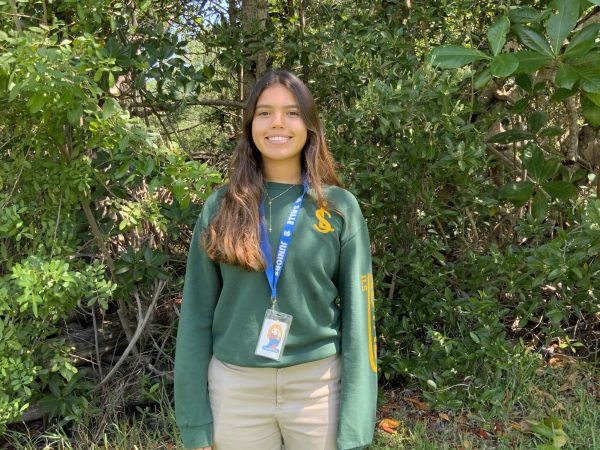
“It’s so easy for anyone to post anything and it becomes false news,” said senior Daniela Lecuna.
The most well known media hosts of the near past and present include Jimmy Fallon, Ellen DeGeneres, Jimmy Kimmel, and Oprah Winfrey. Among podcast Joe Rogan and Alex Cooper of Call Her Daddy are some of the top broadcasters.
Recently, late night host Jimmy Kimmel criticized a tax bill passed by Republicans claiming it had negative effects on the middle class. Critics of Kimmel’s commentary noted the bill reduced corporate taxes significantly and that the effect on the middle class varied by state as well as income. Many conservatives accused Jimmy Kimmel of pushing an agenda, fearmongering, and misleading viewers. Back in 2004 daytime talk show host Ellen DeGeneres spoke of “miracle” diet solutions which would later be criticized by nutritionists.
“I think the distrust in the media has a lot to do with AI,” said senior Abrielle Meyer.
These instances among many others have reinforced the distrust audiences have for media.As media continues to evolve, its influence reaches beyond politics and entertainment and deeply affects schools and students. In many classrooms, theschool climate is shaped not only by teachers and peers, but also by the constant presence of digital information. Social media has become a silent participant in daily school life, influencing how students communicate, compare themselves, and cope with stress. According to the CDC, “persistent online comparison and exposure to negative content can increase feelings of sadness and hopelessness among teens.”
Platforms such as TikTok, Instagram, and Snapchat blur the line between social connection and emotional pressure. Studies from the American Psychological Association show that “heavy social media use is associated with poorer sleep, increased anxiety, and decreased academic focus.” Conflicts that begin online often spill into the classroom affecting friendships, safety, and overall school climate.
“I think a lot of interviewers come with false advertisements and not facts,” said senior Daniel Marin.
Nonetheless, media is not entirely harmful. When used responsibly, it can help students find community, express creativity, and access support. Mental health organizations have used social platforms to reach young people more effectively than ever before. Researcher Danah boyd explains that, “teens aren’t addicted to their phones; they’re addicted to each other,” emphasizing that the issue lies in the need for connection rather than the technology itself. Media will continue to evolve, but with awareness and critical thinking, society can adapt and remain informed rather than ignorant.