A major flood caused serious destruction across Nepal after a glacier collapsed in the Himalayan Mountains on this past summer. The flood sent large amounts of water, mud, rocks, and ice into nearby communities. Homes, roads, bridges, schools, and businesses were completely destroyed.
As of September 1, more than 1,000 people have died in Nepal and China due to the disaster. Over 3,000 people are still missing, including people from several different countries who were visiting the area. Rescue teams have already helped rescue more than 11,000 people in Nepal. In relief centers, families wait anxiously to hear news about their loved ones as the death toll and number of missing persons rise rapidly.
The flooding happened very quickly, which made it difficult for many people to escape. The water level of the Trishuli River rose about nine meters in only 30 minutes during the disaster. Rescue workers are continuing to search through mud and destroyed areas to find missing persons.
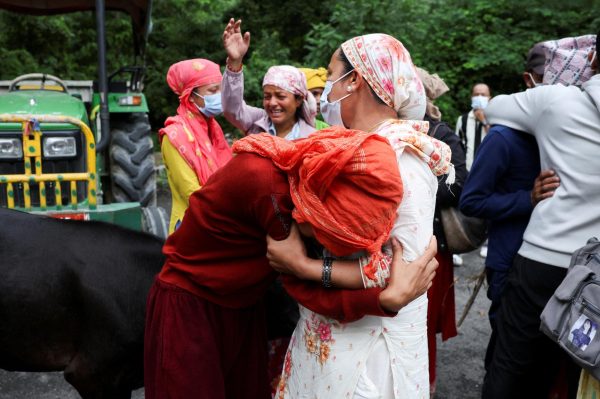
One school in Nepal was able to evacuate more than 900 students shortly before the flood destroyed the school. The school received a warning only minutes before the water arrived, giving teachers and students little time to reach safety.
Scientists believe climate change may be making disasters like this more dangerous and likely to happen. Warmer temperatures can cause glaciers and mountain ice to become less stable. Nepal has already lost a large amount of its glacier ice over the past several decades.
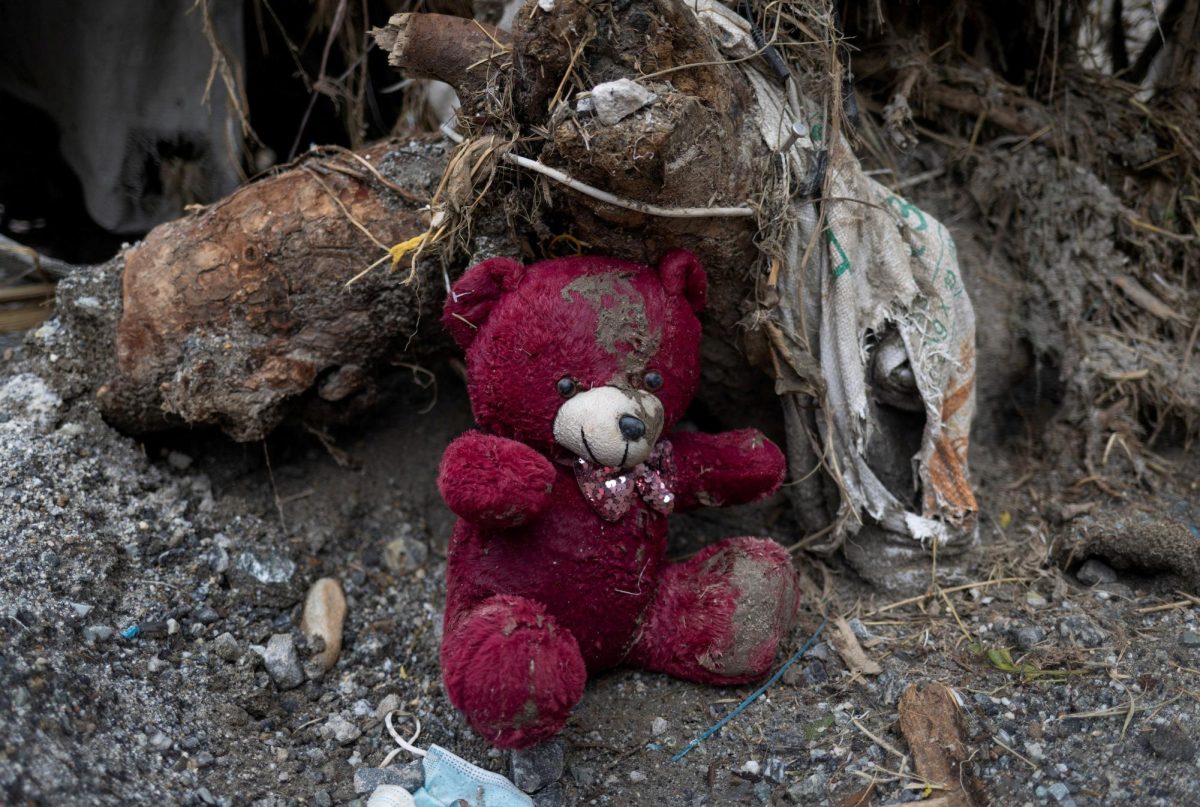
Village residents have returned to salvage anything they can, but are ultimately left with nothing but ruble. On the streets, people are seen walking along the mud-covered roads with nothing but what they had left with.
For now, rescue workers continue searching for survivors while Nepal begins recovering from one of the country’s most destructive natural disasters. Countries including China, India, and South Korea have also provided help and supplies to support the rescue efforts.