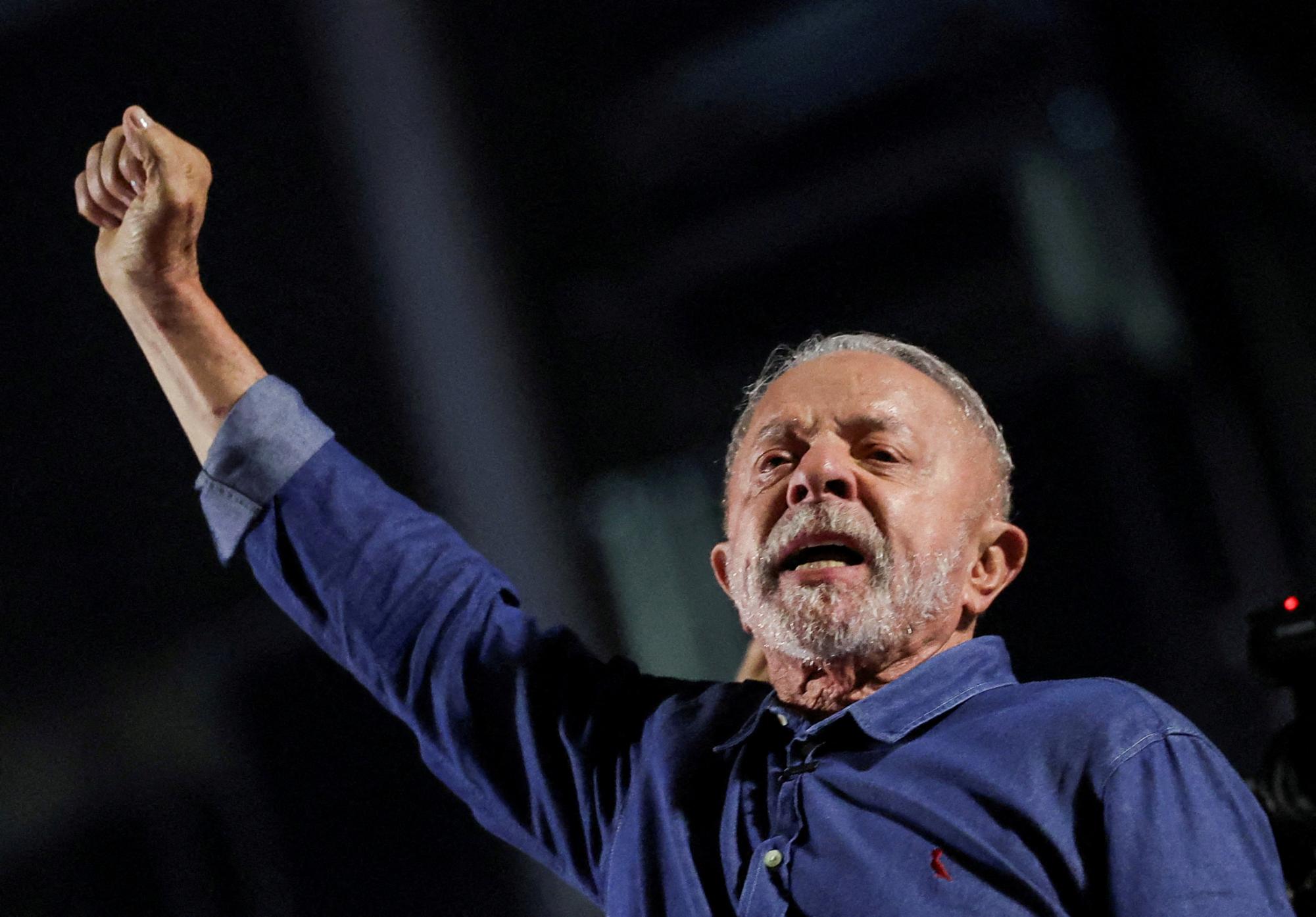
The highly anticipated race served as a crucial referendum on Brazil’s economic future, democratic institutions, and environmental policies. It carries immense geopolitical weight for the broader Latin American region.
Senator Flavio Bolsonaro finished a close second. The victory marked a massive milestone in modern Brazilian history. It was the first time since Brazil’s 1985 return to civilian rule that a presidential candidate successfully overturned a first-round deficit to win the runoff.
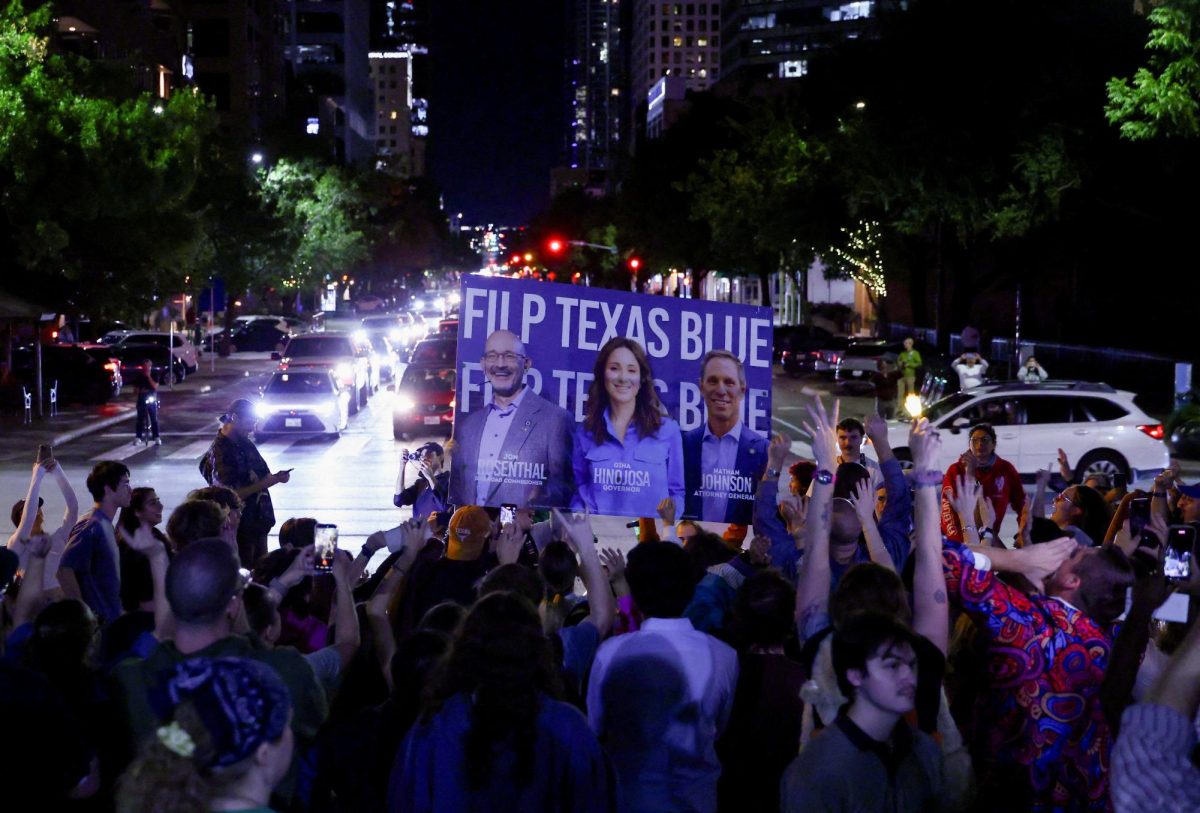
The early deficit forced President Luiz Inácio Lula da Silva’s campaign to completely shift its electoral strategy. Over the subsequent three weeks, Lula’s, as he is commonly known, campaign engineered a massive grassroots effort. They leveraged extensive digital social media operations and staged immense street rallies across major urban centers.
When asked on his opinion about the comeback in elections, junior Lucas Rivera said “I am so surprised that Lula was able to come back from a first round deficit; it’s virtually impossible to do that.”
The Workers’ Party campaign managed to dramatically reduce voter abstention rates, particularly among young voters. This strategic shift ultimately pulled an additional 10 million voters to Lula’s column by the final Sunday of voting. The voting process itself spanned the entire country. This administrative extension quickly became the primary focal point of the immediate political fallout. Bolsonaro claimed that the extended voting hours compromised the election. The post-election tension escalated rapidly across the nation. Bolsonaro defied a strict federal judicial mandate to surrender his passports and abruptly fled Brazil for the United States via Argentina.
When asked on the voting process junior Andrew Brito said, “Whilst the process is different from ours, it’s still interesting to see the way they go about things.”
From self-imposed exile in Florida, he has continued to dispute the legitimacy of the outcome. However, his claims have failed to gain broader institutional traction. Prominent leaders within Bolsonaro’s own Liberal Party have also officially recognized the incoming administration, signaling a peaceful transition of power.
Official information regarding polling hours, election administration, post-election legal requests, and certification status can be verified through official Brazilian election authorities and voter resources.