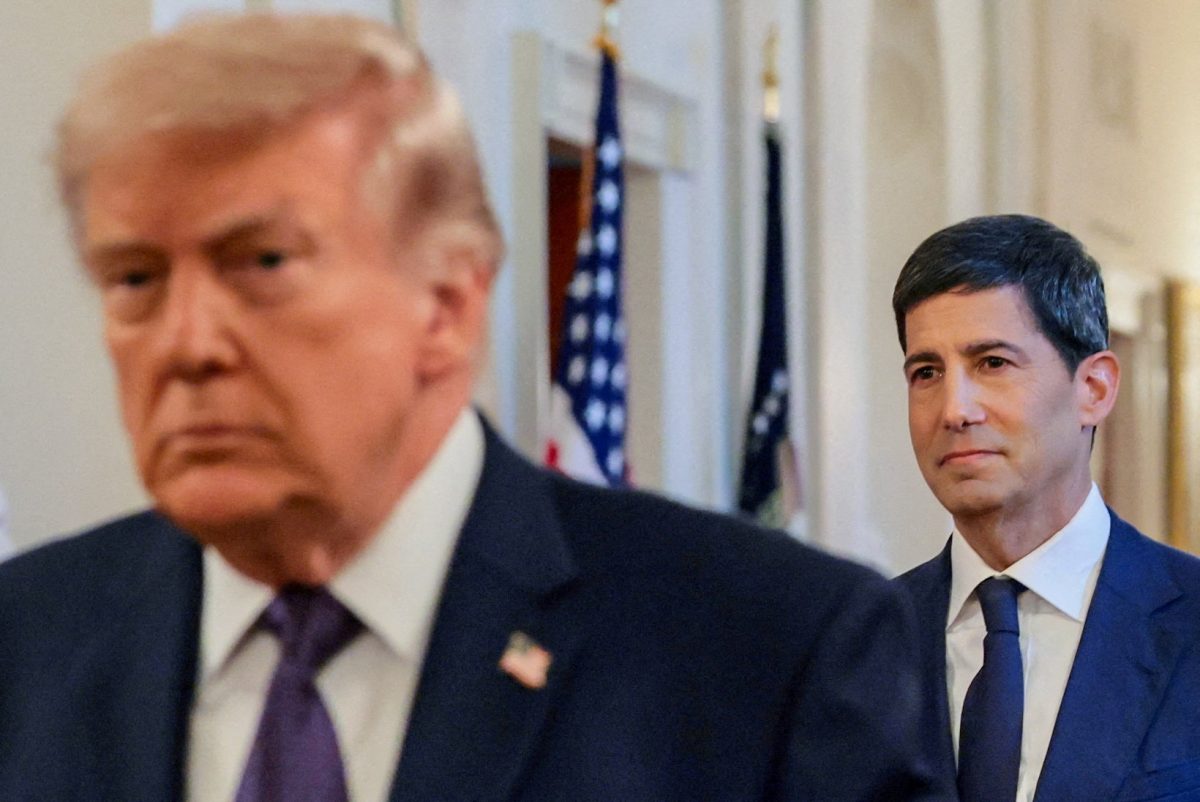
President Donald Trump has faced growing conflict with CNN after his administration blocked CNN reporters from entering the White House. The decision raised concerns about press freedom and the ability of journalists to report on the government.
On Sept. 19, reporters from CNN, MS NOW, and Politico were denied access to the White House grounds. Their press badges were deactivated, preventing them from entering the building and covering the president in person. Mr. Trump said the organizations had been reporting what he called “fake news” and criticized their coverage of his administration.
The three news organizations challenged the decision in court. They argued that removing their access because of their reporting could interfere with freedom of the press. The case quickly became part of a larger debate about how much control a president should have over journalists covering the White House.
On Sept. 24, federal Judge Timothy Kelly ordered the Trump administration to restore access to CNN, MS NOW and Politico. The judge said the reporters’ press badges had been removed without adequate due process. The order temporarily restored their access while the legal case continued.
However, CNN reporters were not immediately allowed back inside. CNN reporter Betsy Klein said she was turned away multiple times even after the judge’s order. CNN eventually regained access later that day.
The situation has created questions about the relationship between the government and the news media. Journalists rely on access to government officials and events to inform the public, while the government has argued that access to the White House is not an unlimited right.
The dispute also shows how important press access is to journalism. Reporters need to be able to attend government events, ask questions and observe what officials are doing so they can provide accurate information to the public. When access is limited, news organizations may have a harder time reporting directly from the White House.
The legal fight over CNN’s access shows how disagreements between presidents and news organizations can become much larger questions about journalism, government transparency and freedom of the press.