Gen Z isn’t waiting for college or an average 9-5 to start making money anymore as instead they are driven by social media, economic awareness, and the desire for independence to start way earlier than usual.
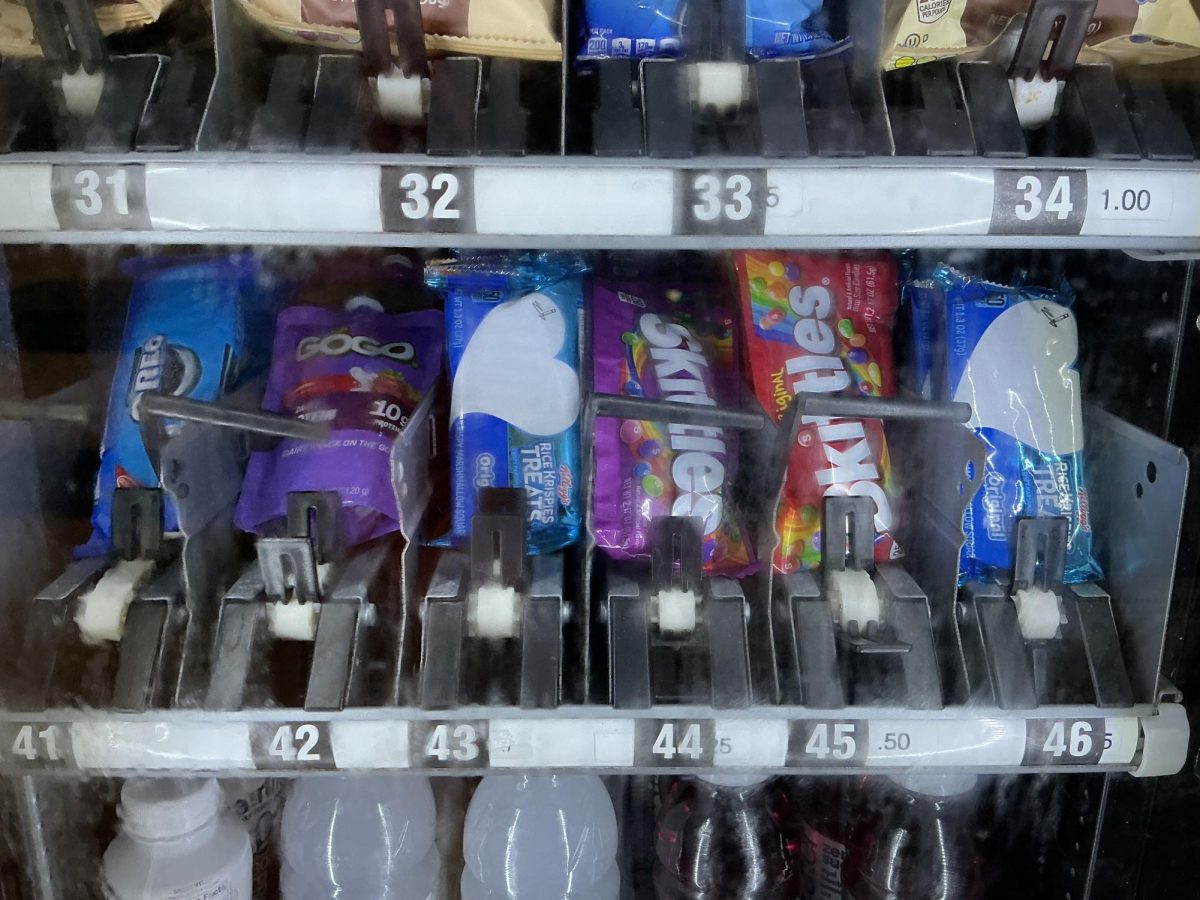
Students have shifted their priorities from being mainly about school and friends to being more focused and dedicated to set them up for the ever-changing future. Examples of this include sophomore Jacob Zavala who started selling homemade chamoy snacks at his school.
“It’s not that the snacks at my school were bad, I just knew the majority of students at my school were Latino and grew up enjoying chamoy candy,” he explained.
Even though there might not have been a “problem” per se at his school with snacks, Jacob acknowledged his surroundings and knew he’d have a loyal costumer base. This simple example illustrates the way young people are uniquely positioned to identify and solve a problem by analyzing their environment.
Research from the Bank of America Insitute highlights that Gen Z is contributing widely to a post-pandemic surge of business applications with up to 50% of students aged 16-25 showing a strong interest in starting their own company with 24% of actively run businesses being within the age groups of 18-24.
Studies suggest that one of the main causes in this growth of student-owned businesses is the influencer and trend industry. The rise of nano- and micro- influencers (creators with fewer than 50,000 followers) have made brands shift their budgets from major celebrities to for example college students who have a higher trust and loyal engagement rate. The money from these posts help college students invest money into what they actually intend on doing after school and makes it easier to focus on academics.
One of the more trending student-run businesses is reselling. Reselling is the practice of buying products or services from a manufacturer, supplier, or third party company then selling them to costumers at a higher price to make a profit.
Junior Erick Luna indicates how reselling has impacted his life as a student and allowed him to have extra cash while meeting new people.
“Yes, I see myself continuing this business in the future because everyday new products are available which brings new costumers and it allows me to make new connections and invest my money,” he said.
It is not just the teens making this impact on student life and futures but also schools, who have made it more of a priority to bring business and real-world skills into their curriculum. The club DECA is one of the many ways how schools have been introducing financial literacy, confidence, and leadership to their young teens.
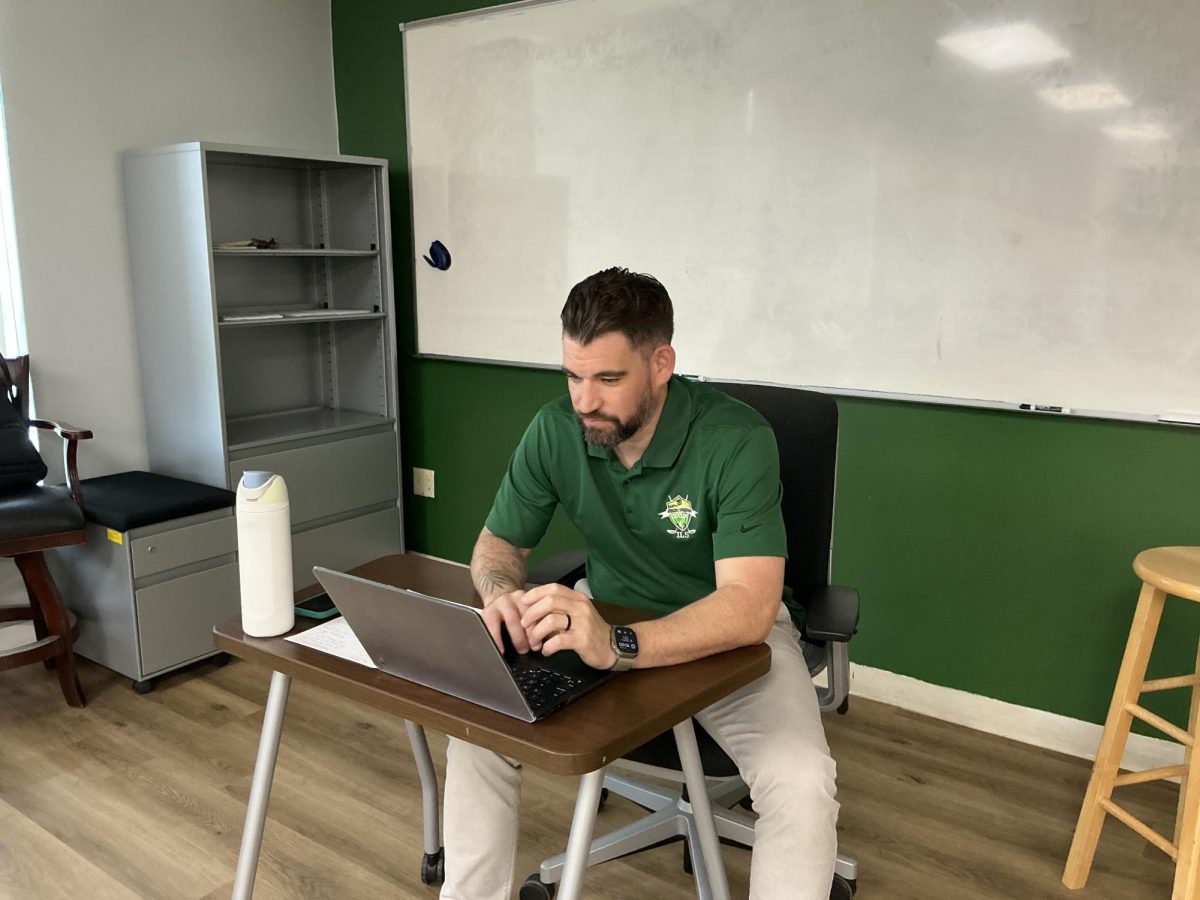
“I want my students to understand the value of money, the importance of credit, and the responsibilities that come with financial independence. Teaching these skills early helps students become more confident, responsible, and prepared for adulthood. My goal is not just to prepare them to make money, but to teach them how to manage it wisely, build financial stability, and create opportunities for themselves and their families,” said business teacher and coach, Mr. Danny “Slim” Arguello.
Looking towards the future, whether these students choose to stay in business forever or move onto other fields, learning adaptability, finances, and confidence in high school prepares them to lead in an ever changing economy.