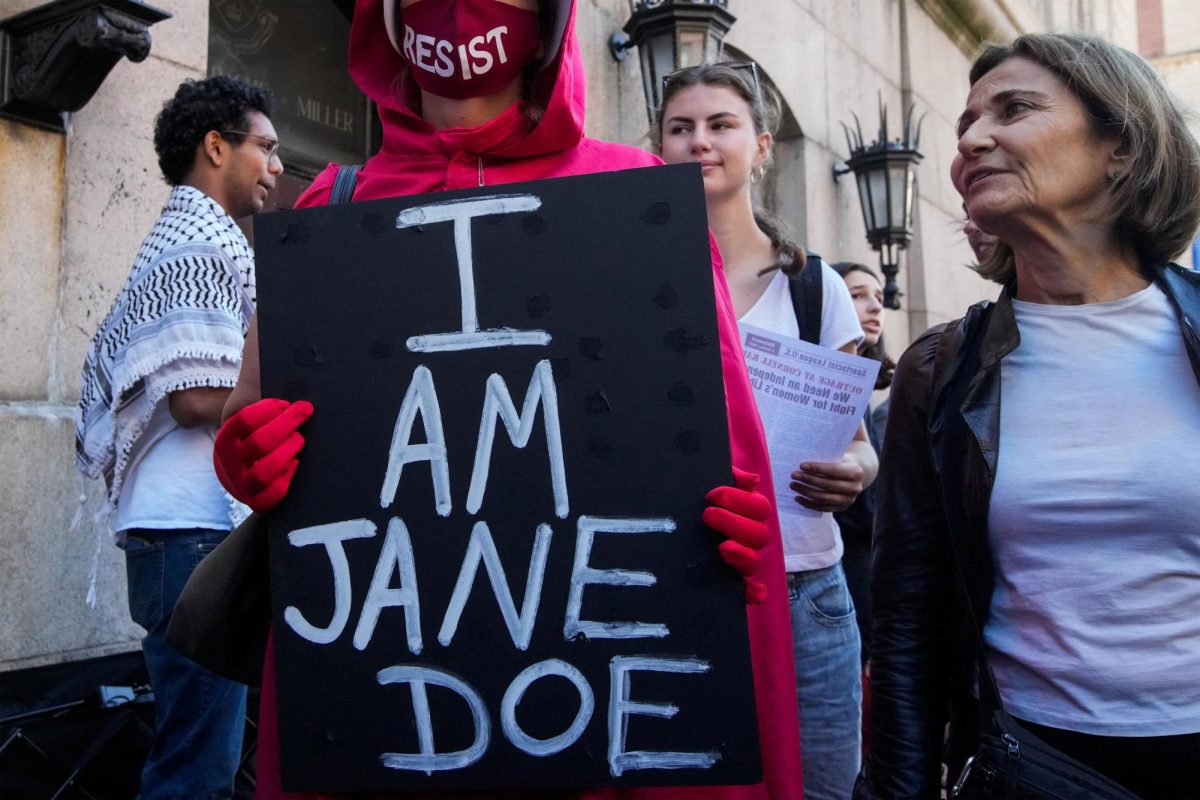
Last week’s article examined the recent incident at Cornell University through Cornell 7: Lesson in Morality and Responsibility found in the Royal Courier’s Opinion section. This week Theology teacher and Campus Ministry Director, Mrs. Milagros Beltran, offers her thoughts for consideration and reflection.
Created in God’s Image
“I would begin by saying the “Cornell 7” with this conviction: Every person is created in God’s image and possesses a dignity that no one has the right to violate,” she said.
What Happened
The case involves allegations of sexual assault, disputed accounts, and renewed investigation. Mrs. Beltran firmly believes that allegations must be distinguished from established facts while taking the woman’s report seriously and supporting a fair pursuit of justice.
Considering Actions of All Involved
Each person’s responsibility depends on what that person freely chose, knew, encouraged, or failed to do. The woman reporting assault deserves compassionate listening, protection, and access to care without humiliation or pressure to remain silent. In the same way, the accused deserve a fair investigation and if found responsible, must face the consequences and seek to genuinely repent and make reparations towards those they harmed.
Not Assigning Everyone Equal Blame
Witnesses and friends also have moral responsibilities. Indifference towards what is wrong could be interpreted as compliance. The Catechism of the Catholic Church explicitly recognizes responsibility for cooperating in another person’s wrongdoing, including protecting offenders or failing to prevent harm when one has a duty to act (CCC, 1868). Loyalty to friends must include the courage to stop them from harming someone.
University leaders, fraternity officials, police, and prosecutors must protect vulnerable people, examine evidence thoroughly, communicate honestly, and ensure fair accountability.
Called to Love and Serve
As a Catholic school community, we are called to love and serve all people. We are called to be responsible citizens with formed consciences that recognize vulnerability and respond with courage. Mercy includes accountability, repentance, and meaningful change.
Consider this: When someone’s dignity or safety is at risk, will my choices protect that person, even when doing so may cost me popularity, comfort, or acceptance?