Who is Jalen Hurts?
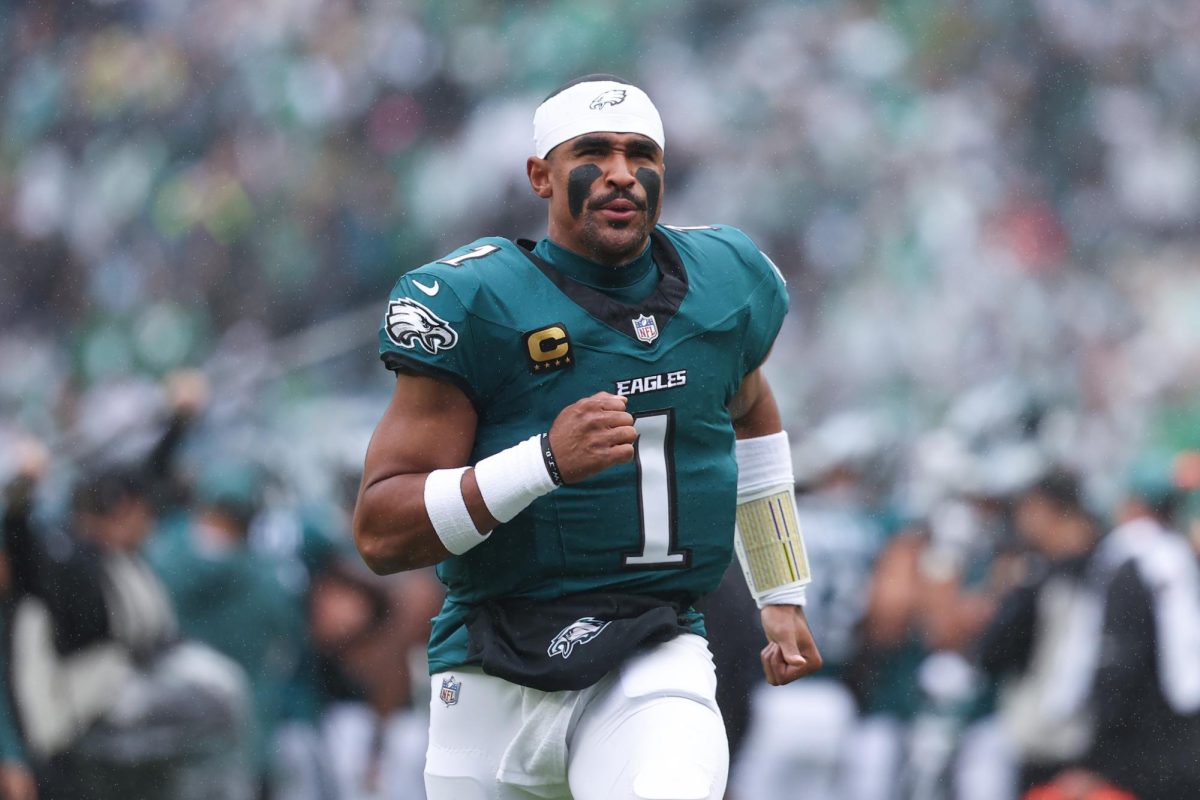
Jalen Hurts is the star quarterback for the Philadelphia Eagles who has achieved significant success, including leading the franchise to two Super Bowl appearances, winning Super Bowl LIX and Super Bowl MVP honors, earning multiple Pro Bowl selections, and capturing two NFC championships. Being an NFL quarterback is widely considered one of the most demanding, high-stakes positions in professional sports. When an athlete gets injured, sports organizations and medical teams are expected to prioritize player health and safety by administering the best clinical protocols. However, on October 10th, 2026, during a team trip to London, Hurts was diagnosed with a superficial blood clot in his left calf. This incident sparked immediate public debate and raised critical questions regarding decisions made by Head Coach Nick Sirianni and the Eagles’ medical staff.
Timeline
October 4th
Against the Los Angeles Rams, Hurts was cleated in the left calf during the game.
October 8th
Hurts visits the training room for treatment on his calf for the first time.
October 9th
The Eagles fly to London ahead of their international matchup against the Jacksonville Jaguars.
October 10th
While in London, an ultrasound reveals a superficial blood clot in his calf.
October 11th
Hurts plays at the Philadelphia Eagles game against the Jacksonville Jaguars in London after being hospitalized overnight. Allegedly, he claimed to have stayed up for 36 hours after the blood clot was discovered although had some sleep before kickoff. After the game, flying back home to Philadelphia, Hurts participated in a team practice.
October 14th
Follow up tests show the blood clot had traveled into his lungs (bilateral pulmonary emboli and deep vein thrombosis) after participating in a full practice.
October 19th
The Philadelphia Eagles and his agent, Nicole Lynn, publicly released an official statement regarding the diagnosis and his expected absence.
“A pulmonary embolism is a sudden blockage in the lungs, doesn’t have to be just a blood clot. Blood picks up oxygen in the lungs but if blood can’t flow, it’s blocked, different problems may happen. One thing (out of many) is an uneven strain for the heart to pump blood, oxygen levels in the blood may drop…this can all lead to shortness of breath or quick shallow breathes, less oxygen reaching your brain and other vital organs,” explained Mrs. Maggie Santana, the Honors Anatomy and Physiology teacher at ILS.
“Exercising, movement, keeps blood flowing because you’re contracting your muscles. If blood flow slows down to the point of pooling in your veins, it can increase the chances of blood clots forming – sitting and sleeping does not mean you will get blood clots. Everyone’s individual health and health history needs to be taken into account,” she added.
The way this situation was handled creates controversy and questions wondering why Jalen Hurts was cleared to play and fly while having a blood clot. It’s important not to fly with a blood clot because cabin pressure changes, low oxygen levels, and long sitting can cause the clot to break loose, and travel to the lungs, which then is what was diagnosed. Sports headlines on the Eagles’ staff and medical experts are ubiquitous. Although, with this medical scare, Jalen Hurts is out for the remainder of the 2026 NFL season.
Treatment Protocol
To prevent similar failures, sports leagues and athletic associations must adopt stricter oversight measures to seek the best protocol. Decisions regarding return-to-play status for high-risk systemic issues (such as blood clots, cardiac concerns, or severe concussions) should be made by independent, third party medical boards rather than team-employed personnel who face pressure to deliver game day results. Including high school sports, for example, Florida, the state law mandates all potential student-athletes are required to undergo a mandatory electrocardiogram (EKG/ECG) screening. These screenings catch underlying cardiac conditions, protecting athletes for sudden cardiac arrest. Applying mandatory testings and giving coaches, parents, and athletes the complete picture provides another level of security for players.
As a player I’ve been through situations where they put the game first instead of my health, and it’s not a good feeling knowing you can’t play through something but don’t have a choice,” senior Frida Acevedo explained regarding playing with the Panamanian national women’s basketball team.