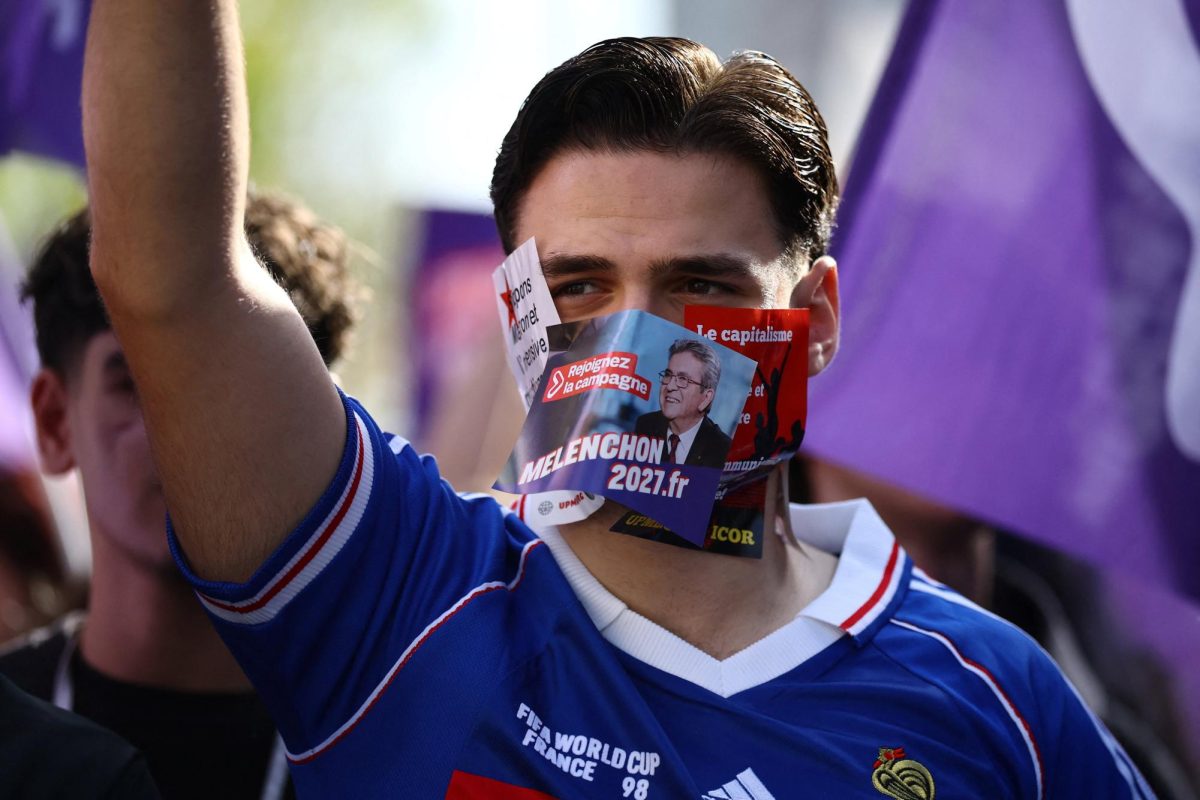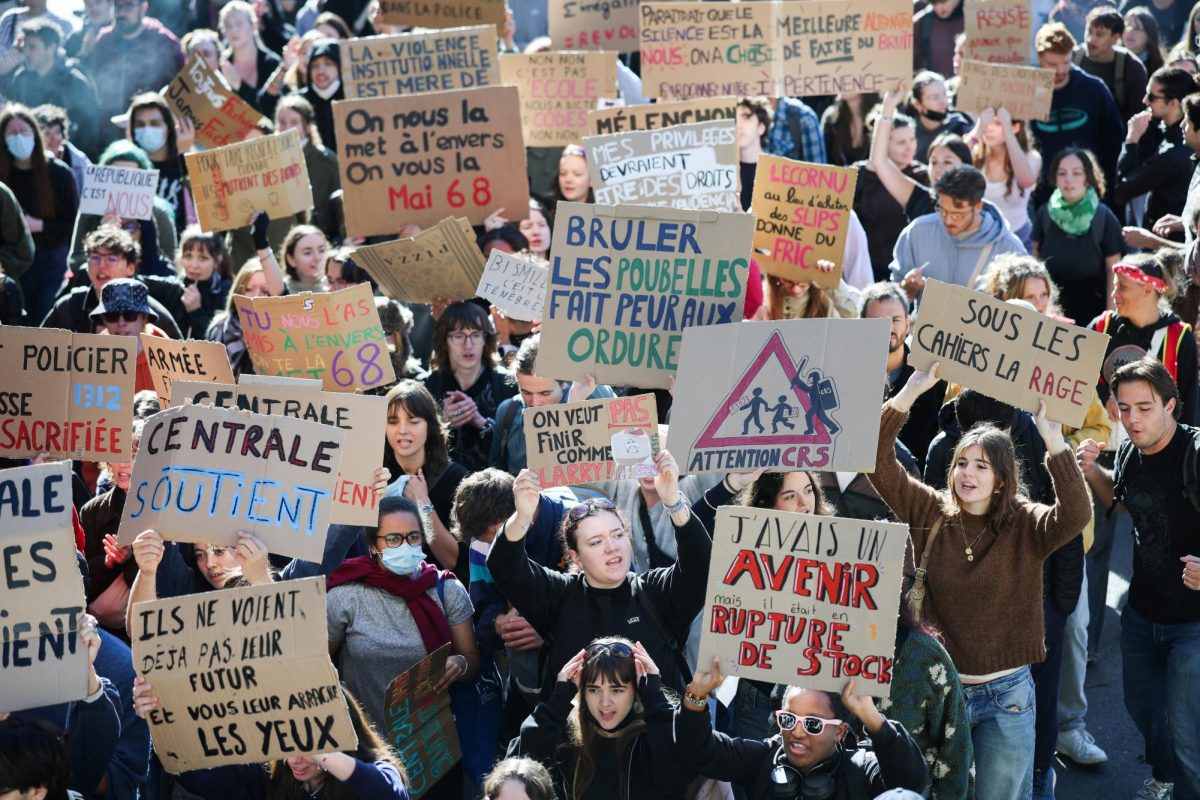
Tens of thousands of demonstrators converged on major French urban centers, escalating a multi-week campaign of nationwide strikes and civil unrest that has pushed public services, energy grids, and transportation networks to their breaking points. From the historic Place de la République in Paris to the central plazas of Lyon, Marseille, and Bordeaux, marchers flooded city streets under the banners of major labor confederations, student organizations, and civic reform groups.
The turmoil stems from a compounding series of economic and policy pressures that have simmered for months. High inflation on essential groceries, domestic electricity, and home heating fuel has systematically drained household purchasing power across lower- and middle-income demographics. At the same time, controversial government spending freezes aimed at reining in the national deficit have left underfunded schools and strained public transit systems operating well below capacity. Student groups joined forces with trade unions following steep cuts to university housing stipends and educational infrastructure, turning isolated labor disputes into a broad social movement.
On the ground in Paris, everyday citizens expressed intense frustration over their dwindling standard of living.
“It feels like our salaries stay completely frozen while everything else—rent, electricity, food—doubles in price overnight,” said Antoine Vasseur, a 34-year-old high school teacher participating in the strike.
The sentiment was shared by veteran labor advocates who argue that austerity measures disproportionately harm working families.
“We are standing up for basic dignity and the sustainability of our public institutions,” stated Martine Delorme, a union representative speaking near the march route. “The current policies fail to address the daily struggles ordinary people face every single day.”
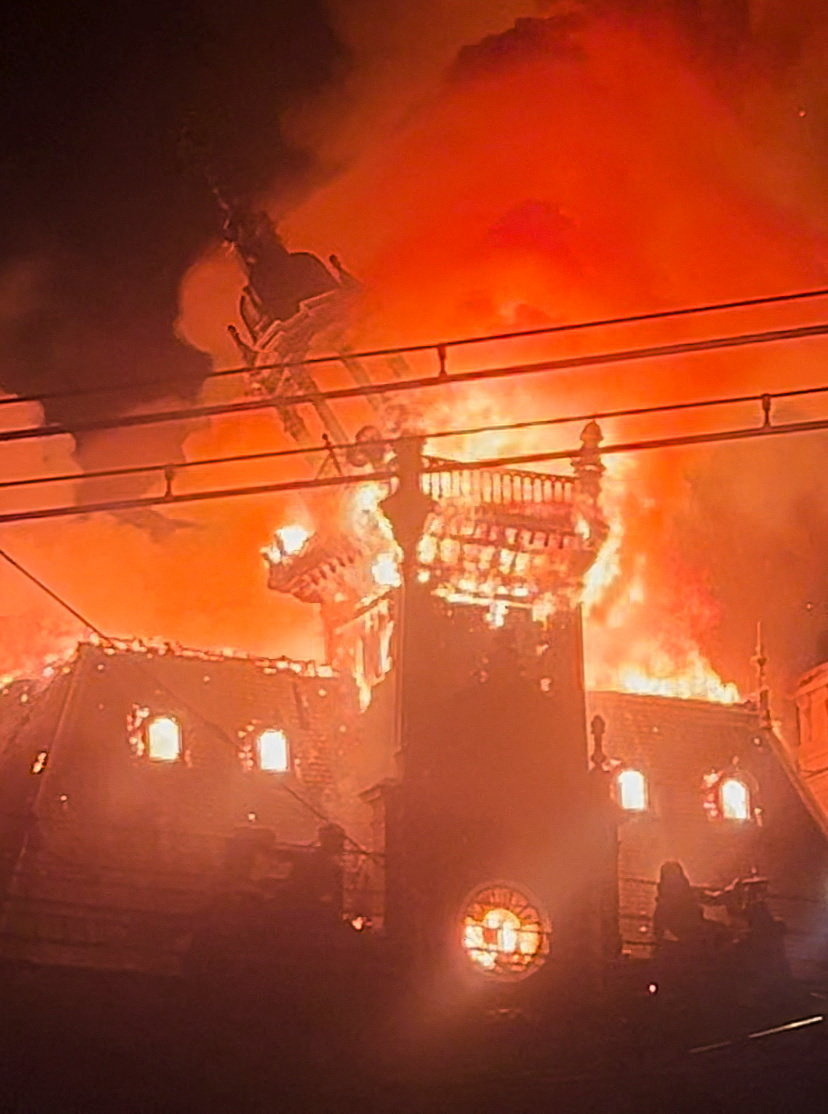
As peaceful marches transformed into tense confrontations between riot police and splinter factions, local residents voiced heartbreak over the destruction in city centers. In Paris and Limoges, where municipal buildings suffered fire damage, law enforcement deployed tear gas and water cannons to disperse crowds after storefronts were damaged.
“I support the protest movement and its demands, but I didn’t think it would escalate like this,” observed Margaux Eude, a 26-year-old Paris resident watching security forces clear barricades. “It’s the troublemakers who came, and it breaks my heart because it delegitimizes the movement.”
The political fallout inside France has been severe, with opposition leaders accusing the government of refusing to listen to its citizenry. Far-left leader Jean-Luc Mélenchon criticized the government’s heavy-handed response, asserting that officials were “playing with fire” and warning that “by banking on degradation, you have only succeeded in uniting all youths and workers’ unions.” From the political right, figures like Éric Zemmour attacked the administration’s authority, charging that “the government is governing against its own people, refusing to listen to the legitimate demands of working families.”
In a televised address to the nation, French President Emmanuel Macron condemned the violence while defending his administration’s economic direction.
“Those who looted will have to pay for the damage, and those who sought to bring down the Republic will be held accountable,”
Macron warned sternly, though he acknowledged the widespread public anxiety.
“Those concerns stem from various factors, but I think things are moving in the right direction,” Macron added, emphasizing that fiscal reform remains essential for long-term national stability.
The domestic crisis quickly sparked commentary from abroad, drawing sharp reactions from international political figures. U.S. President Donald Trump publicly claimed that France was being “looted and set ablaze,” attempting to attribute the street unrest to European migration policies rather than economic factors.
“Close your borders and take control before it is too late!” Trump urged in a widely shared statement.
President Macron pushed back aggressively against foreign commentary, rejecting claims about immigration and pointing out the circulation of manipulated online media.
“There was foreign manipulation of information afterwards, yes, and that gave rise to unacceptable and stupid comments from many people, including foreign leaders,” Macron said during an international press briefing. “
We’ve had people claiming that we were invaded by hordes of migrants, which is completely false,” he noted, adding that foreign leaders were simply “using our country for their own political campaigns.”