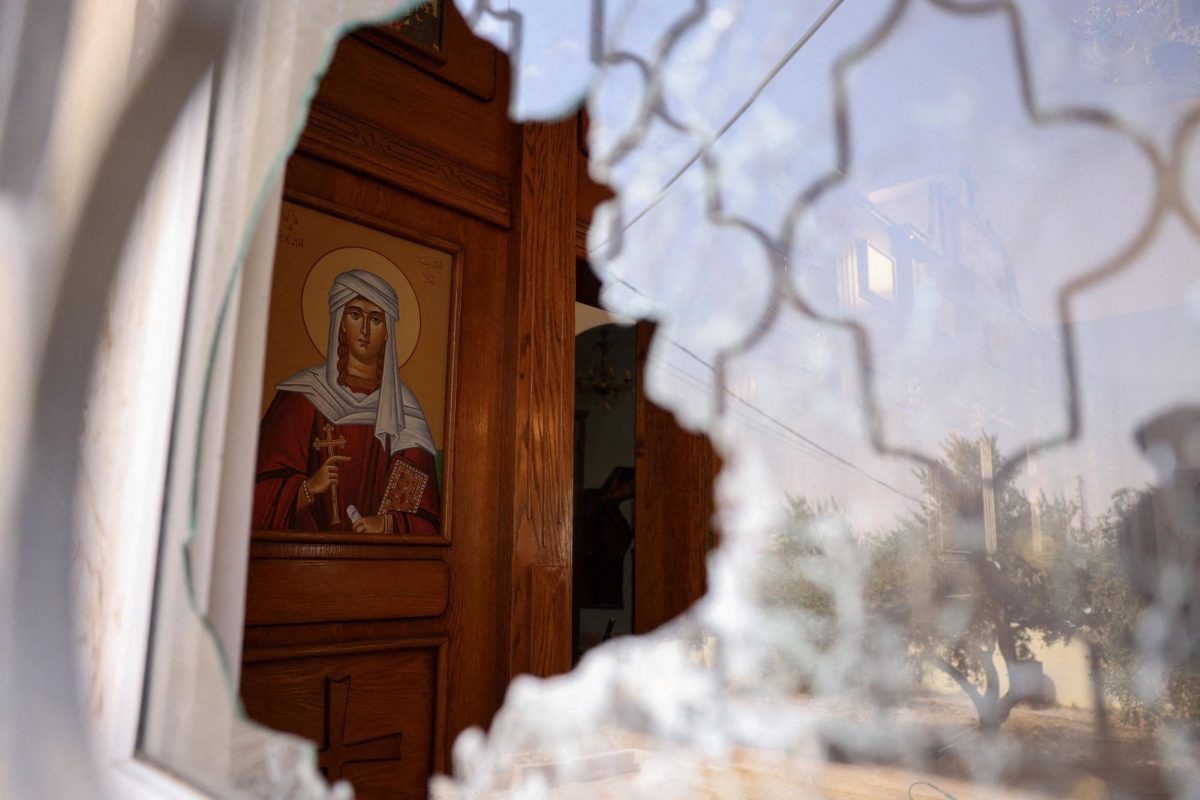
A sudden, deadly assault on a historic Greek Orthodox church in southern Jordan has sent shockwaves through the Middle East, offering a tragic reminder that religious minority communities remain intensely vulnerable to targeted violence. The tragedy in the village of Hammoud, located in Jordan’s Karak governorate, shattered a long-standing environment of co-existence between the kingdom’s Christian and Muslim populations.
Mourners had gathered inside and in the courtyard of St. George’s Greek Orthodox Church to attend a funeral service for a local community member when three armed assailants arrived by vehicle and opened fire directly into the gathering.The continuous gunfire left nine worshippers dead and 34 others wounded, primarily impacting members of the deep-rooted Christian Halasah family clan. Jordanian security forces launched immediate counter-terrorism operations, barricading and apprehending three suspects following a firefight in a nearby village.
The attack provoked profound grief and immediate political and religious responses. Eyewitnesses and local survivors expressed utter disbelief at the violence inside their historic sanctuary.
“God was merciful and protected us,” remarked Hani Halsa, a local survivor who was standing inside the church with family members when the shooting began outside.“The attackers are people without mercy.”
In the aftermath of the assault, state leaders and security officials moved swiftly to condemn the ideology behind the attack and reassure the nation’s 250,000 Christian citizens. Prime Minister Jafar Hassan denounced the massacre, stating that the assault was the direct product of “terrorist takfiri ideology and blind extremism.” Visiting injured survivors at a regional hospital in Karak, King Abdullah II vowed that those responsible would face uncompromising justice.
“Whoever imagined that treacherous bullets could divide Jordanians will see their effort defeated by our resilience and unity,” King Abdullah II declared.
While the tragic assault in Jordan drew widespread international attention due to the kingdom’s history of relative stability, religious liberty watchdog organizations emphasize that the attack reflects a far broader global crisis. According to research published by international monitors, more than 388 million Christians around the world—roughly one in every seven believers—face severe discrimination, structural hostility, or lethal threats due to their faith.
The forms of religious persecution vary significantly by region. In sub-Saharan Africa, nations like Nigeria and Sudan experience high levels of lethal conflict. In Nigeria, militant factions routinely raid agrarian Christian farming villages, burning homes, destroying churches, and executing residents. In Sudan, ongoing civil conflict has seen radical militias intentionally target church properties, shell civilian sanctuaries, and enforce mass internal displacement. Meanwhile, across Syria, radical insurgencies and persistent political instability have subjected ancient Christian communities to targeted kidnappings, suicide bombings, and forced exile.
Beyond physical violence, religious oppression manifests through legal enforcement and authoritarian control. In East Asia, state authorities in China and North Korea restrict freedom of worship by outlawing independent house churches, detaining religious leaders, and criminalizing the possession of religious literature. In South Asia, rising religious nationalism has fueled strict anti-conversion legislation and violent mob actions targeting minority Christian and Muslim communities alike.
Addressing the rising tide of global anti-Christian violence, United Nations Secretary-General António Guterres condemned the Jordanian sanctuary attack, calling the targeting of mourners “especially heinous.” Guterres urged international cooperation to confront religious hatred, emphasizing that “the secretary-general calls for all those responsible to be found and to be held to account.” As security measures tighten around houses of worship across the Middle East and beyond, the tragedy in Hammoud underscores the urgent, universal need to protect vulnerable faith communities against violent extremism.