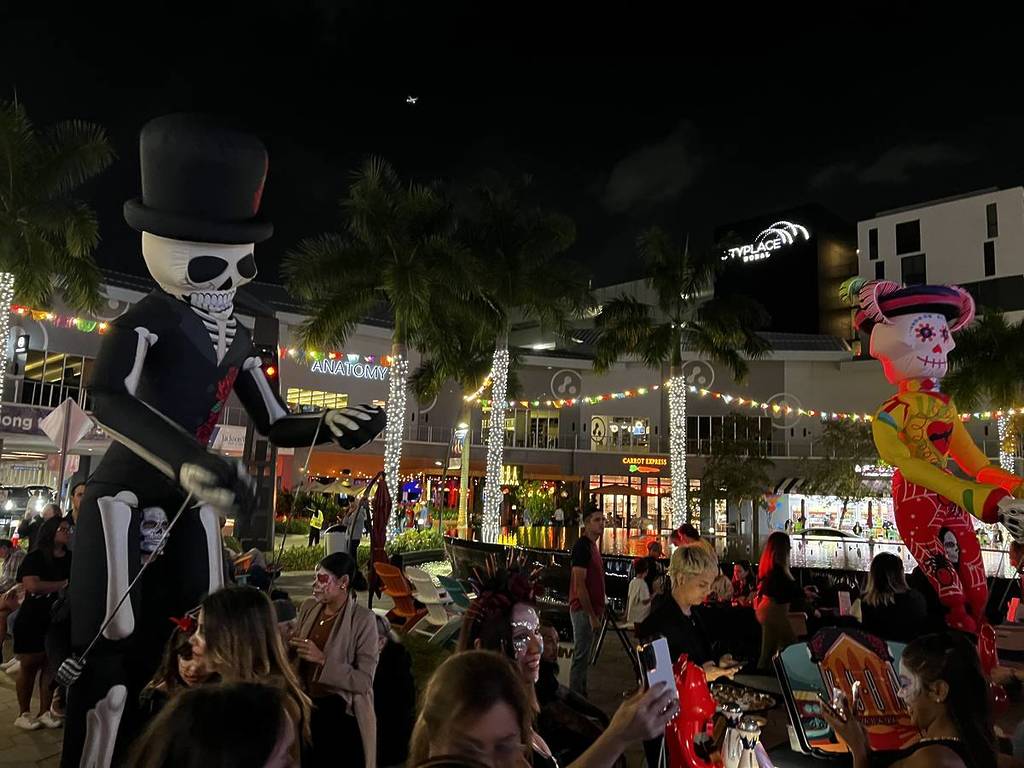
Every year on November 1 and 2, families celebrate Día de los Muertos, also known as the Day of the Dead. Recognized for its colorful decorations, traditional food and flowers, the holiday has a history that dates back hundreds of years. Its main purpose is to honor loved ones who have passed away and celebrate their lives.
Día de los Muertos originated from Indigenous civilizations in Mesoamerica, including the Aztecs and Maya, who held traditions honoring the deceased. When Spanish colonizers arrived in the 1500s, indigenous traditions blended with Catholic celebrations, including All Saints’ Day and All Souls’ Day. Together, these influences helped shape the holiday celebrated today.
“I think it is a beautiful way to remember people who are no longer with us and celebrate the memories we shared with them,” said senior Teresa Kurshingal.
One of the most important traditions is the ofrenda, an altar created to remember deceased family members. These altars often include photographs, candles, favorite foods, and personal belongings. Families also decorate with bright orange marigolds, called cempasúchil, which are believed to guide spirits back to their loved ones.
“I find the ofrendas really interesting because families include pictures and things their loved ones enjoyed. It makes the celebration feel very personal,” said senior Fernanda Martinez.
Other traditions include decorating sugar skulls, eating pan de muerto, a traditional sweet bread, and using colorful paper decorations known as papel picado. These traditions allow families to express their love and appreciation while keeping cultural practices alive.
Although celebrations may differ among families, the message remains the same: honoring loved ones, celebrating them, and keeping their memories alive.