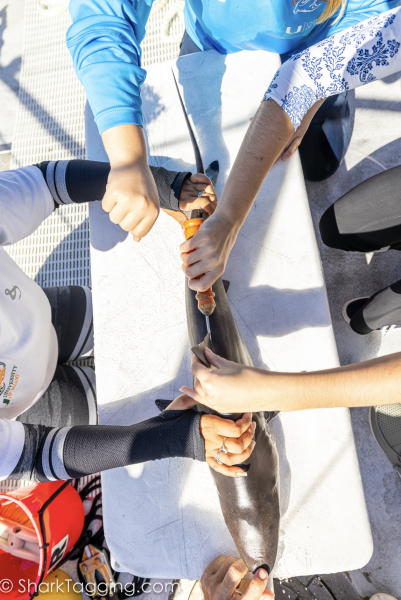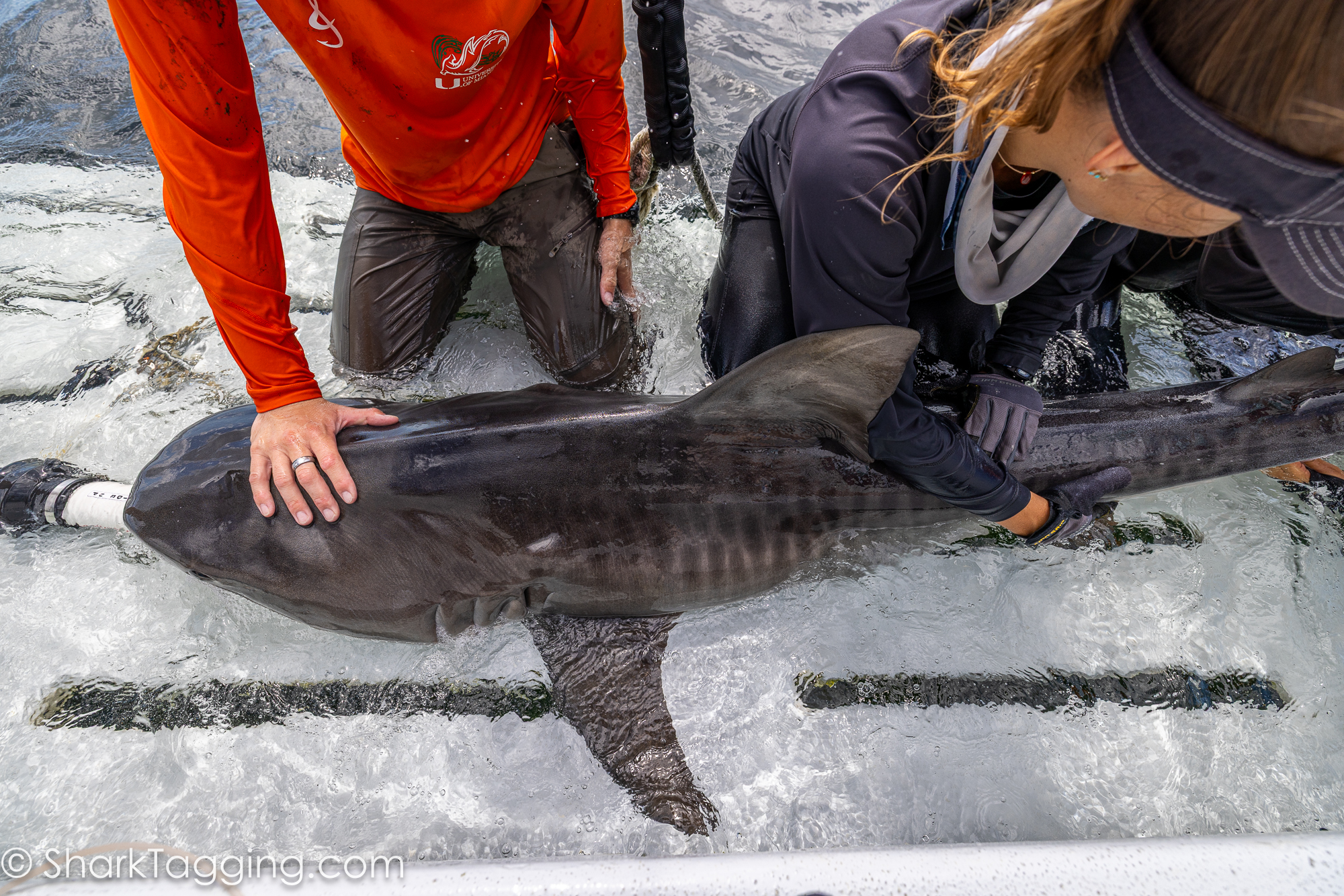
The water sways against the wind, and an eye-catching figure glides beneath without breaking the tension of its surface. Below the facade of a calm environment, researchers work to study the mysteries of creatures’ behaviors, prepare bait, and collect skin samples to unlock the understanding of how it is adapted to the environment. The next moment it is reeled upwards, and the majestic creature is known as a shark. The shark flaps its tail and the rough skin glimmers in the sunlight, showcasing one of the magical aspects of sharks.
Why are sharks so important in Miami?
The sharks in Miami are apex predators (an animal at the top of the food chain with little to no natural predators of their own) which allows for the population control of various marine species. In the process of hunting species, sharks remove sick or weak fish (survival of the fittest) which, as a result, stops the spread of diseases. This may also stop populations from expanding allowing for the prevention of further damage to coral reefs. In addition, sharks establish breeding grounds or nursery areas that act as sanctuaries for critically endangered species.
“The University Of Miami team identified Biscayne Bay as a great hammerhead nursery, making it a critical habitat for this critically endangered species.” said former UM Shark Researcher, Ms. Madeline Davis. Today, Ms. Davis is part of Immaculata-La Salle’s Science Department/Faculty, teaching Marine Biology.
How are sharks under threat?
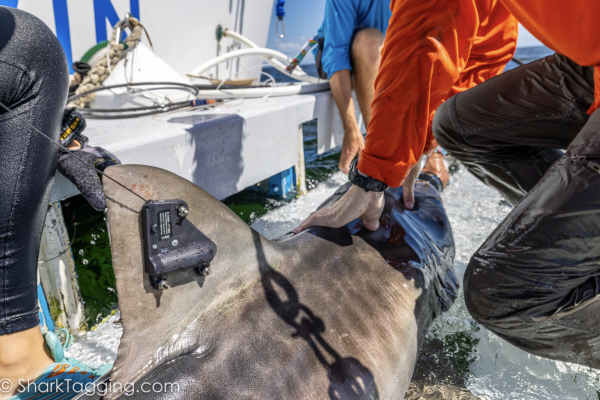
Unfortunately, in Miami , the leading cause of the population decline of sharks is commercial or recreational overfishing and bycatch (the accidental capture/ entanglement of non-target marine animals via the usage of nets). According to a recent study by Dr. Collins Williams of the Save Our Seas foundation, the population of sharks off the coast of Florida has plummeted. Some of the critically affected species include Hammerhead Sharks and Silky Sharks which have both declined by 90%. Despite regulation, local fisheries and casual fishers utilize less enforced areas of Miami as an advantage to illegally fish and bycatch vulnerable species of sharks. According to the 4Ocean Foundation, 100 million pounds of commercial fishing nets are lost, abandoned or discarded at sea and these nets are known as ghost nets. Ghost nets, although abandoned or discarded, continue to entrap sharks and kill roughly 650,000 marine animals annually. In addition boat collisions, and climate change play a factor in decreasing populations across Miami. Without sharks, populations of sea animals typically consumed by sharks may uncontrollably spurt in population causing ecological damage. For more information on population changes across different countries, refer to the link below.
https://worldpopulationreview.com/country-rankings/shark-population-by-country
“Unfortunately, sharks have been over harvested for decades and this has caused many of their populations to decrease significantly, placing them into the extreme that allows other animals to overpopulate. Without proper management of catches, conservation, and education, we risk an ecosystem that will remain out of equilibrium. Other than over harvesting, we have seen other threats to sharks including coastal development, pollution, and global climate change. Coastal development has removed key ecosystems to their lifecycle, such as nurseries, creating gaps in the habitats they utilize. Marine debris and water quality pollution creates a new slew of problems that researchers are still investigating, including accumulation of toxins and heavily eutrophic coastal habitats that become unlivable,” said George Mason Marine Science PhD student, Nicole Firing.
Have any laws been put in place?
Within Miami, several laws have been passed encouraging the protection of sharks such as The Kristin Jacobs Ocean Conservation Act (as of March 2020) which prohibits the trade, import, export, or selling of shark fins within Florida to impede the global illicit trade of shark fins. In addition, as of February 2026, the Miami Beach Shark fishing ban prohibits targeting sharks from shorelines, docks, bridges, or land based structures. The Florida Shore Fishing regulations states it is illegal to bring sharks onto shore and requires bolt cutters in case of accidental catches. Unfortunately, many companies and individuals bypass these regulations by entering less regulated areas, using loopholes within regulations, or utilizing shark in consumer products through forged cruelty-free logos or utilizing shark under a different name (1 out of 5 moisturizing creams include squalene* from sharks).
*What is Squalene according to Wikipedia: Squalene is a naturally occurring lipid and polyunsaturated hydrocarbon (\(C_{30}H_{50}\)) produced by the liver in humans and animals. It makes up roughly 12% to 14% of human sebum, the natural oil coating and protecting the skin surface. Originally sourced heavily from shark liver oil (hence its name derived from the shark genus Squalus), squalene plays critical roles across the cosmetic, medical, and pharmaceutical industries.
“The best things we can do every day for sharks around the world is to be conscious consumers of the fish we eat, additionally demanding accountability for policy makers and governments to protect, conserve, and fund scientists and policies that support protecting these vital ecosystems,” said George Mason Marine Science PhD student, Nicole Firing.
What Organizations are helping sharks?
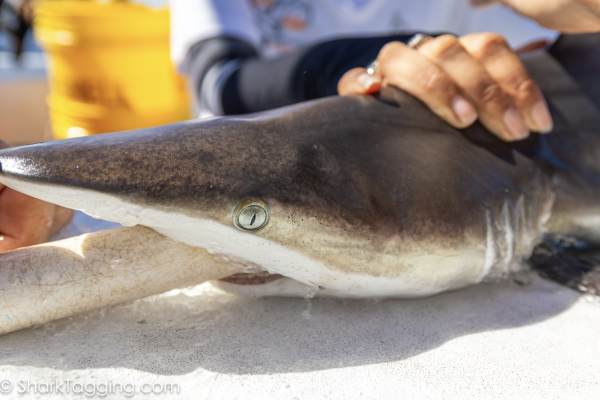
For over two decades, the UM shark tagging team has worked on monitoring the general health and stability of shark populations in Miami waters. The University of Miami tracks and inspects hundreds of sharks annually. Factors such as blood-linked stress levels, tail clip samples, the presence of parasites, and pregnancy status is taken into consideration when catching a shark. To assist the University of Miami, participants can join citizen science trips open to the public or contact their school about potential shark tagging trips. In addition, The Rob Stewart Sharkwater Organization aids in educating the public about illegal fin trading and the importance of protecting sharks.
“We (The UM Shark Tagging Team) also collect physiological benchmarks, such as blood samples, to monitor stress levels in sharks and help inform fishermen who may accidentally catch them. Additional samples, including biopsies and fin clips, allow us to study the diet and genetics of any shark species we are fortunate enough to catch and research. In addition, when sharks are stressed, you can often see changes in coloration. For example, when we catch great hammerheads, their stomachs can turn pink, signaling high stress levels. If they are not released quickly, they can die. This is true for several shark species, which is why educating people about sharks and proper handling practices is so important,” said former UM Shark Researcher, Ms. Madeline Davis.