A passenger ferry in Indonesia capsized in the Java Sea on September 13, leaving dozens dead and more than 100 people missing. The ferry, Virgo Transport 8, was traveling from Tanjung Perak in Surabaya to Banjarmasin when it ran into dangerous weather.
There were 243 people on board, including 213 passengers and 30 crew members. The ferry was also carrying 89 vehicles. According to Indonesian officials, the ship had enough capacity for 500 passengers, meaning authorities said it was not overloaded.
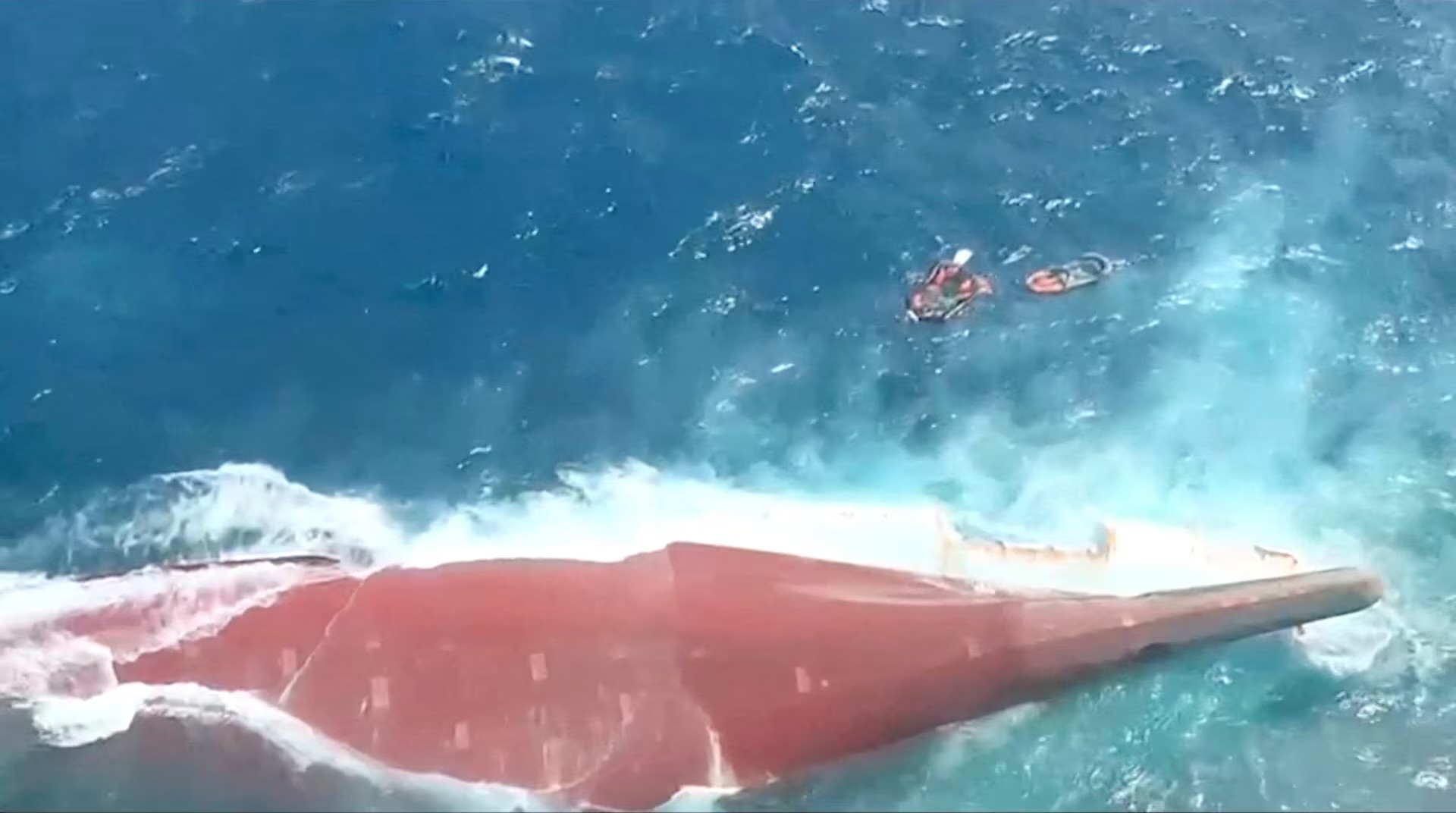
The trouble began around 1 AM when the ferry encountered strong waves and winds. About an hour later, the ship developed a severe tilt, according to Indonesia’s National Search and Rescue Agency. About another hour later, communication with the ferry was lost. A helicopter later located the vessel and confirmed that it had overturned.
At first, rescuers faced difficult conditions while trying to reach the ferry. Waves reached around 2.5 to 3 meters high, and strong winds and currents made it dangerous for rescue boats to operate. More than 1,100 rescue workers, along with ships and aircraft, were eventually involved in the search.
The ferry ended up upside down on the seafloor at a depth of about 29 meters. Divers had difficulty entering the vessel because of poor visibility, strong currents, and the unstable position of the ship. At one point, Navy dive teams had to stop their work because the current was moving at nearly 7 knots.
By September 22, authorities reported that 108 people had survived, while 18 deaths had been confirmed and 117 people were still missing. Rescue teams have continued searching the wreck and identifying victims.
Officials have not yet announced one confirmed cause for the accident. Investigators are looking into what happened to the ship and how the weather affected it. Indonesia’s president has ordered a thorough investigation into the accident.
The ferry disaster is especially important in Indonesia because ferries are a major way for people to travel between the country’s many islands. For many people, traveling by sea is cheaper and more accessible than flying.
While boat accidents are uncommon, passengers can still prepare for an emergency. Before a ferry leaves, passengers should pay attention to where life jackets, emergency exits, and evacuation areas are located. If an emergency happens, staying calm and listening to the crew is important.
If passengers are told to evacuate, they should follow the crew’s directions and leave personal belongings behind if necessary. If a life jacket is provided, it should be worn correctly. Passengers should also avoid pushing or rushing because panic can make an emergency more dangerous.
The Virgo Transport 8 accident is still being investigated, but it shows why knowing basic safety procedures matters. A few minutes spent learning where emergency equipment and exits are located could become important if something unexpected happens while traveling by boat.