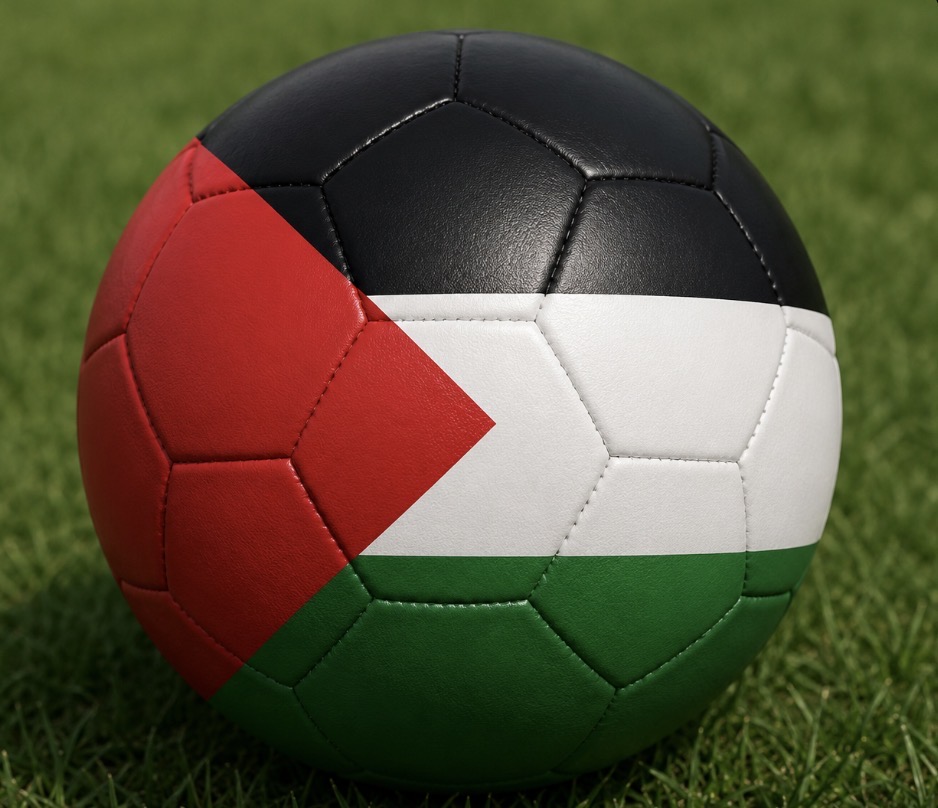

The streets of Barcelona were a sea of Blaugrana on Monday as nearly 750,000 fans gathered to celebrate the club’s 29th La Liga title. Amid the confetti and the chants, one image quickly transcended the world of sports: 18-year-old superstar Lamine Yamal standing atop the open-top victory bus, unfurling and waving a Palestinian flag.
The moment occurred just one day after Barcelona clinched the championship with a decisive 2-0 victory over Real Madrid. As the parade wound through the city center, Yamal was seen receiving the flag from a supporter in the crowd before hoisting it high for the cameras and the thousands of cheering fans. The image immediately went viral, sparking a global conversation that reached far beyond the final score of El Clásico.
“It was a nice game to watch, but the march was really something else,” stated junior Antonio Murcia, referring to Yamal holding aloft the flag followed by the crowd’s reaction.
The Power of the Platform
For an athlete as young as Yamal—already the face of Barcelona’s future and a global icon—this gesture carries immense weight. At 18, Yamal is part of a generation of “socially conscious” athletes who refuse to stay “shut up and dribble.” By choosing the highest point of his professional success to display a symbol of solidarity, he leveraged his massive platform to highlight the ongoing humanitarian crisis in Gaza.
In the context of 2026, where digital visibility is everything, Yamal’s post of the moment to his own Instagram account ensured that the message wasn’t just a fleeting parade snapshot, but a deliberate statement of principle.
A City of Solidarity
The significance is also deeply rooted in the location. The city of Barcelona has long been a hub for pro-Palestinian activism in Europe. From large-scale protests to the city council’s historical decisions regarding its relationship with Israel, the local atmosphere is one of vocal advocacy. For many fans in attendance, Yamal’s gesture felt like a reflection of the city’s own values.
Cultural Identity and Influence
Furthermore, as a player of Moroccan and Equatorial Guinean descent, Yamal’s actions resonate deeply within the Arab world and the African diaspora. His gesture was met with widespread praise across social media in these regions, viewed as a courageous act of solidarity from a player who remains connected to his roots.
While the act drew criticism from some who believe sports and politics should remain separate, the overriding impact of Yamal’s gesture is clear: it humanizes the athlete. It proves that even at the pinnacle of sporting glory, the world’s most talented young players are watching the world around them—and they aren’t afraid to let us know where they stand.