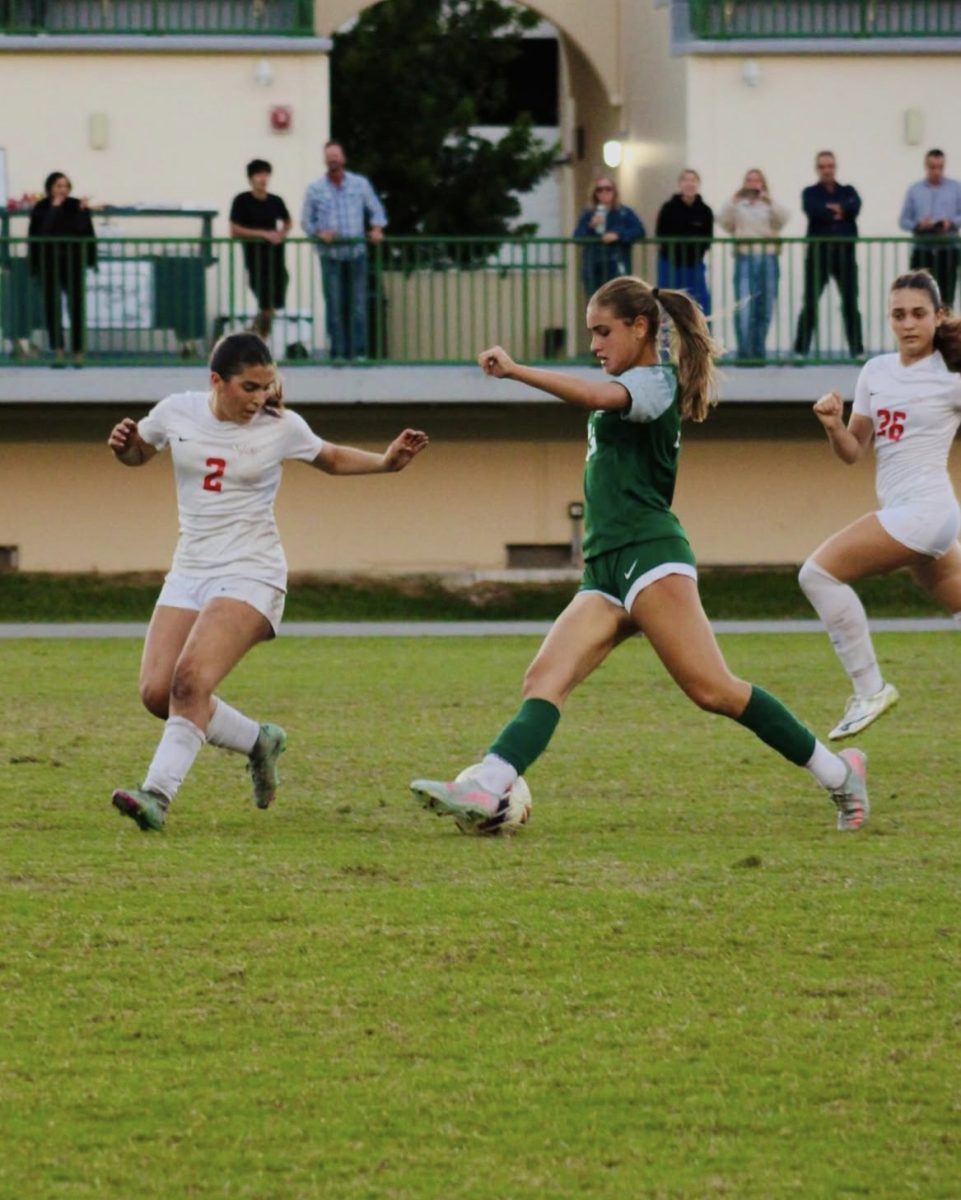
Across South Florida, weekend soccer tournaments held at public sports complexes have become major gathering events for athletes, families, and coaches. These off-campus competitions bring together teams from different areas, creating an environment where players can develop skills, compete at a higher level, and experience the intensity of organized sports outside of school settings.
At large soccer facilities throughout Miami-Dade County, fields stay active from early morning until evening. Teams arrive hours before their matches to warm up, set up tents along the sidelines, and prepare equipment. Parents and spectators fill the edges of the fields with folding chairs, umbrellas, and coolers as they prepare for long days under the Florida heat.
Once matches begin, the pace becomes fast and competitive. Referees constantly track movement across the field while players communicate, sprint, and adjust strategies in real time. Between games, athletes gather in shaded areas to rest, hydrate, and listen to coaches reviewing performances and preparing them for the next match.
Youth soccer continues to grow across the United States. According to U.S. Youth Soccer, more than three million children and teenagers participate in organized youth soccer programs every year. Florida remains one of the most active states for the sport due to its year-round ideal weather and large competitive club system.
Coach Daniel Reyes, who works with a competitive youth soccer team in South Florida, said tournaments are one of the most important parts of player development.
“They learn how to communicate better, adjust quickly, and stay focused even when the game gets intense.”
He added that tournaments also allow players to compete against teams they normally would not face, which helps improve overall skill level and game understanding.
The environment around the fields is just as active as the games themselves. Younger children often play with soccer balls near the sidelines, while families move between fields watching different matches. Food vendors and snack stands remain busy throughout the day, serving athletes and spectators between games.
According to the Centers for Disease Control and Prevention, students who participate in regular sports activity are more likely to meet recommended physical activity levels, which can improve both physical health and mental well-being. The CDC also notes that exercise and team sports can help reduce stress and improve focus in adolescents.
The emotional side of tournaments is also clear. Excitement builds after goals and big plays, while losses can leave teams frustrated or disappointed. Still, coaches often emphasize that tournaments are about growth rather than just results.
As the final matches end in the evening, players walk off the fields exhausted while families begin packing up equipment and chairs. Some teams celebrate victories, while others review mistakes and prepare for future improvement. Despite the long hours and physical demands, most athletes return week after week because of their passion for the sport.
For many families across South Florida, soccer tournaments represent more than competition. They are full-day off-campus experiences that build teamwork, discipline, friendships, and lasting memories beyond the classroom.