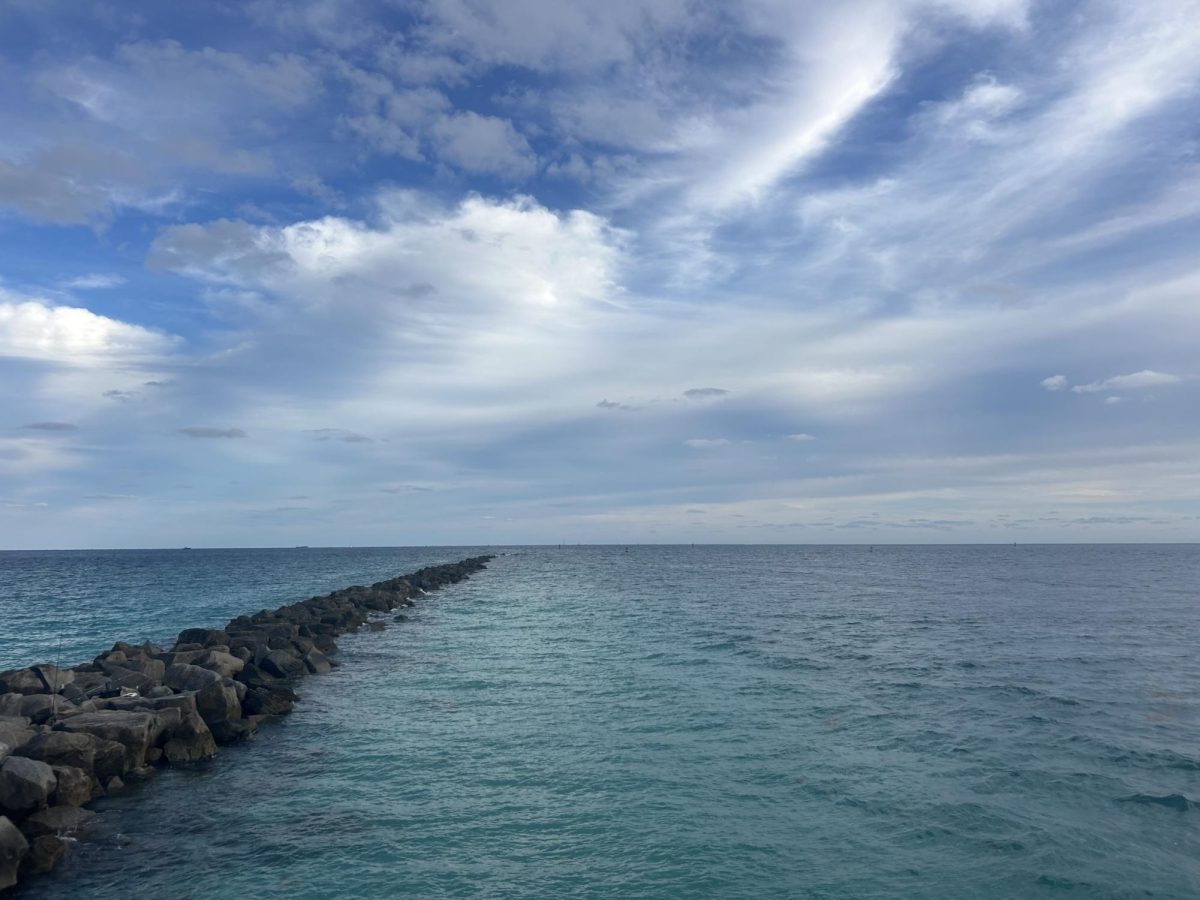
MIAMI BEACH — The iconic neon glow of Ocean Drive usually frames a picture-perfect paradise, but morning light reveals a harsher reality along the shoreline. As the tide recedes, it leaves behind a grim harvest: multi-colored bottle caps, shredded grocery bags, and a dense layer of microplastic confetti embedded in the sand.
Local environmentalists, business owners, and visitors are sounding the alarm as plastic pollution evolves from an aesthetic nuisance into a severe threat to Miami Beach’s ecology and multi-billion-dollar tourism economy.
The Environmental Toll: Suffocating Ecosystems
For grassroots conservationists on the ground, the crisis is unfolding in real-time. The local nonprofit Clean Greens Miami, leads daily volunteer efforts to sift synthetic debris from the coastline. The damage to marine life is both immediate and systemic.
“People come to Miami Beach for paradise, but we are slowly turning it into a landfill,” Lean said while collecting sun-bleached plastic straws.
“It’s not just an eyesore anymore; it’s an environmental crisis happening beneath our feet. We are finding plastic suffocating endangered staghorn coral just offshore, and nesting sea turtles are literally navigating mazes of trash to lay their eggs.”
Lean, who only wished to share her first name, is a woman who can often be found cleaning the beach on her own, serving as a role model for everyone.
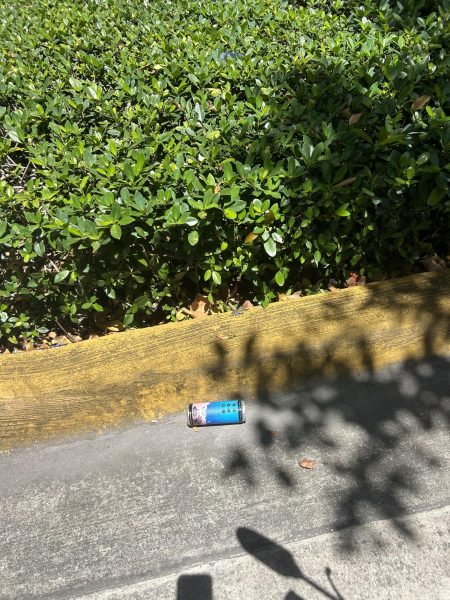

As larger plastic items bake under the intense Florida sun, they fragment into microplastics. These tiny particles absorb toxins and are easily ingested by marine organisms, introducing hazardous chemicals into the local food web,from baitfish to apex predators.
“Sometimes there is garbage, it seems clean, there are cleanups daily. At most Miami Beach tries their best. We are good at that. We try, of course, there is garbage but we try. Cannot say the same for everywhere,” said Lester Armiho, a security guard at the Portofino building in Miami Beach. He has lived in Miami Beach for the past 20 years.
The Economic Fallout: A Threat to Local Business
Miami Beach’s economy thrives on its reputation as a world-class destination, a sector that generates billions in annual revenue and supports thousands of regional jobs. However, the visible accumulation of waste is beginning to deter consumers, threatening the livelihoods of hospitality workers.
Many businesses rely entirely on the natural beauty of this coast. If the beach is dirty, tourists don’t stay. They don’t buy food, they don’t book outdoor tables, and they don’t return. Plastic pollution isn’t just an environmental issue; it’s directly impacting beach business owners’ ability to pay staff and keep their doors open.
The Tourist Perspective: Diminishing Returns
When images of trash-strewn sands replace marketing campaigns on social media, the economic fallout vibrates through hotels, restaurants, and retail shops alike. Travelers seeking pristine coastal experiences are noting the degradation.
Sarah Jenkins, a visitor from Chicago who saved for a year to book a family vacation on the barrier island, expressed deep disappointment while walking along the boardwalk.
“We came to see the famous Miami white sands, but it’s heartbreaking to see so much plastic mixed into the shoreline,” Jenkins said. “It definitely changes the experience and makes you think twice about where you want to spend your travel dollars next time.”
With municipal crews and volunteer groups recover hundreds of pounds of synthetic waste daily, local advocates stress that cleanup efforts are only temporary bandages. Experts warn that without systemic policy changes to curb single-use plastics at the source, Miami Beach risks washing away the very environment and economic stability that put it on the map.