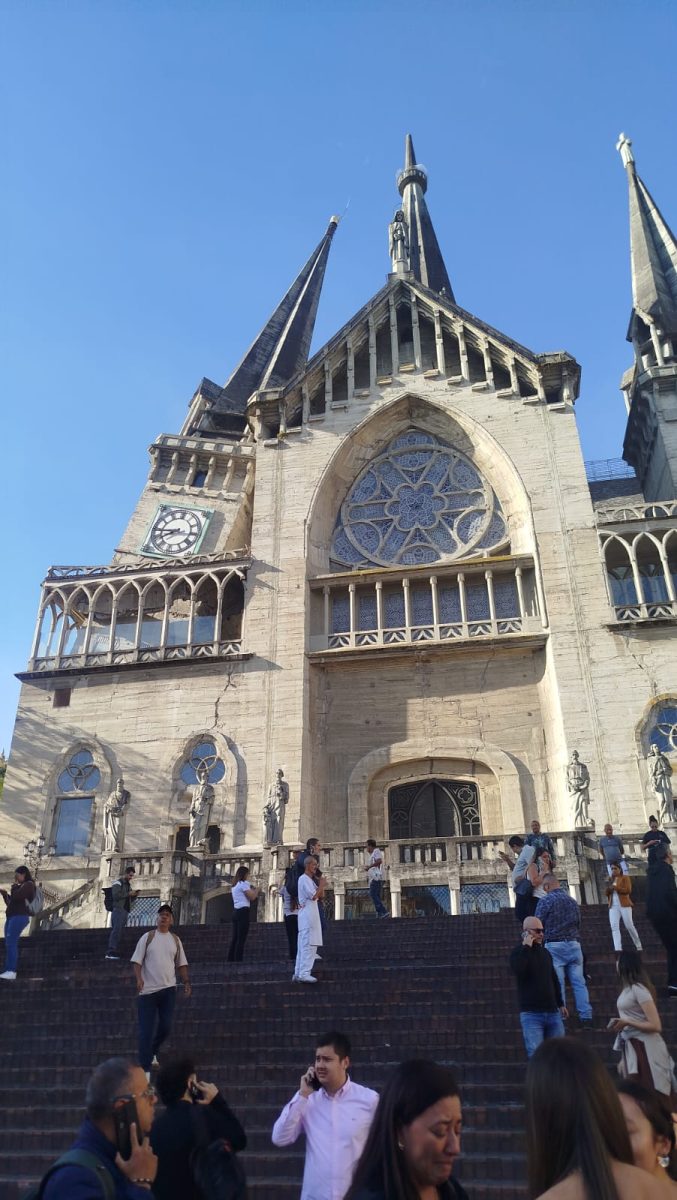
A major earthquake has struck western and central Colombia, leaving hundreds dead and thousands injured as rescue teams race against time.
On August 10, 2026, a powerful magnitude 7.4 earthquake struck the department of Chocó in western Colombia. The tremors were felt across major cities—including Cali, Pereira, and Quibdó—and extended into neighboring Ecuador and Panama. The disaster has tragically resulted in nearly 300 fatalities, over 3,900 injuries, and left hundreds missing under the rubble. Thousands of homes, schools, and hospitals have been damaged or destroyed, cutting off essential services like clean water, electricity, and telecommunications.
The Colombian government has declared a national emergency, deploying first responders to conduct intense search and rescue operations. However, localized landslides and damaged infrastructure are severely complicating emergency relief efforts in the hardest-hit regions.
”It’s honestly devastating… I have a lot of family members there and it hurts to see them suffer,” said junior David Ramirez who attends Gulliver.
How You Can Help From Abroad
People outside Colombia can provide vital support to those affected by this disaster. When assisting from a foreign country, sending direct financial contributions to vetted organizations is often the most impactful approach, as it allows rapid procurement of food, clean water, medical supplies, and temporary shelters.
-
Donate to Global Relief Funds: International humanitarian organizations are on the ground providing immediate emergency care and aid.
-
International Red Cross (IFRC / Colombian Red Cross): Providing emergency search-and-rescue support, field hospitals, and clean water supplies.
-
UNICEF: Delivering essential child protection services, clean water, and hygiene supplies to affected families.
-
GlobalGiving: Hosts verified emergency funds directly targeting disaster recovery for local community partners.
-
-
Support Verified Crowdfunding Campaigns: Check online fundraising platforms like GoFundMe for verified personal campaigns, mutual aid funds, or community organizations raising money directly for local victims. Always ensure campaigns are verified by looking for official disaster labels or trusted organizers.