Disaster has been unfolding recently across Oahu, Hawaii as devastating floods sweep through the Islands, being described as some of the worst in two decades. For those watching from afar it has registered more as a vacation disruption rather than a catastrophic event for local and Native Hawaiian residents. Though the flooding comes from a natural crisis, a series of ignored warnings are raising concerns regarding the Wahiawa Dam.
“It’s devastating to know that Hawaii is being impacted so heavily by these floods. I wasn’t aware the situation was so dire and I pray they are getting the necessary help,” shared junior Maria Alonso.
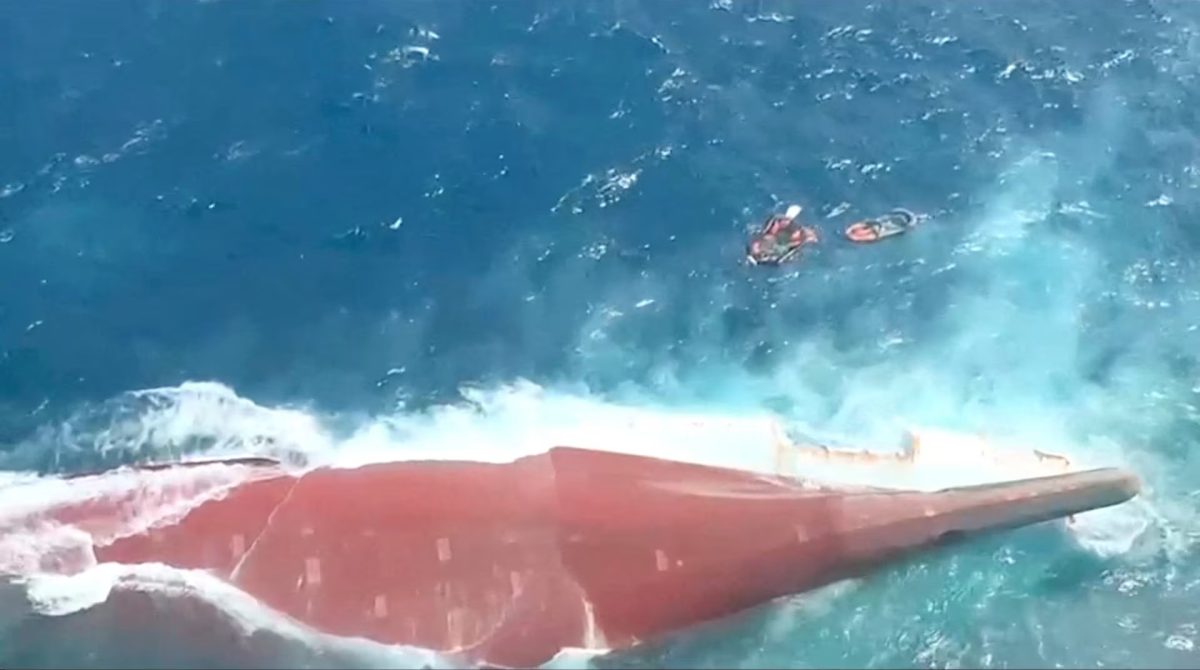
The Waialua North Shore has been heavily impacted by floods marking this as some of the worst floods Hawaii has ever experienced. Heavy rains started late last week. By Saturday morning, more than 5,500 evacuation orders were issued. Governor Josh Green has brought in the Hawaiian Coast Guard and national guard to aid with rescues and so far there have been 200 plus rescues along with multiple hypothermia cases. An urgent rescue effort involved a youth camp where emergency crews airlifted 72 children and adults out of the camp, highlighting the gravity of the situation. Floodwaters have reached chest-level and it is expected that there will be 6-8 more inches of rain following, with continued rain the cost of damage could exceed 1 billion.
“I hope national attention reaches the residents of Hawaii during this crisis and they are able to recover as quickly and safely as possible,” shared junior Veronica Cedano.
The vibrant Hawaii communities have been temporarily displaced as hundreds of homes have been swept away or damaged, the full extent still being unknown. Entire neighborhoods and roads remain submerged underwater as power outages surge across the islands. Residents remain displaced and flooded with fear and uncertainty during this ongoing state of emergency. Their daily lives put to a stop by forces no one can control as local businesses shut down uncertain when they will recover along with schools ravaged by the flood waters.

While tourists have taken to social media to share their complaints or solutions regarding disrupted vacations, local voices make efforts to amplify the crisis and ask for help as conditions worsen. In comment sections regarding the situation, many have stated how they feel inconvenienced, are being issued refunds, and their “time to relax” is being canceled. Meanwhile, residents are being evacuated after losing their homes along with all their belongings, a large contrast from spectating in comfort.
“I’ve seen some insensitive comments on social media platforms that are very disappointing, the focus should remain on the safety of residents and efforts to take care of the islands following this disaster,” shared junior Zoe Pazos.
A large concern during these floods has been the 120-year-old Wahiawa Dam, owned by the company Dole. Since 2009 there has been concern over the dam’s stability. Since then, Dole was issued four separate warnings which they dismissed each time. In 2021, they were issued a fine for unsafe maintenance, and since 2023 there have been efforts for the state of Hawaii to gain control of the dam, but nothing has been finalized. Weather experts and residents have expressed their concerns and warned that the dam may not be able to withstand due to water levels having reached dangerously close to capacity.
“It’s honestly very concerning that Dole has been issued multiple warnings regarding the dam. Now people and animals may have to suffer because of this disregard for safety,” shared junior Ashley Gomez.
Beyond the impact on residents, flooding has also disrupted the ecosystems inhabited by Hawaii’s beautiful wildlife, forcing many species to adapt rapidly to changing conditions. Freshwater streams and coastal areas are at risk of being polluted by bacteria and debris carried by floodwaters. Many native species rely heavily on stable conditions. Small mammals and birds are often swept far from their nesting and feeding grounds, and many marine species can be impacted by sediment and debris reducing water quality. In certain cases, waters can even bring invasive species into already vulnerable ecosystems. While many animals move away by instinct, the change of habitat and food sources can have long-lasting effects.


The Hawaii flooding is more than a natural disaster as it demonstrates how communities are often seen as destinations rather than homes. Leading from long-ignored concerns regarding dam safety to the contrast between outside reactions and local realities, this crisis reveals deeper issues beyond the floods. During a time where domestic issues quietly rise, national attention remains elsewhere, raising concerns about what “America First” really looks like.
As residents get ready to overcome this crisis and recovery begins, the question is no longer just what is happening, but who is truly being affected.