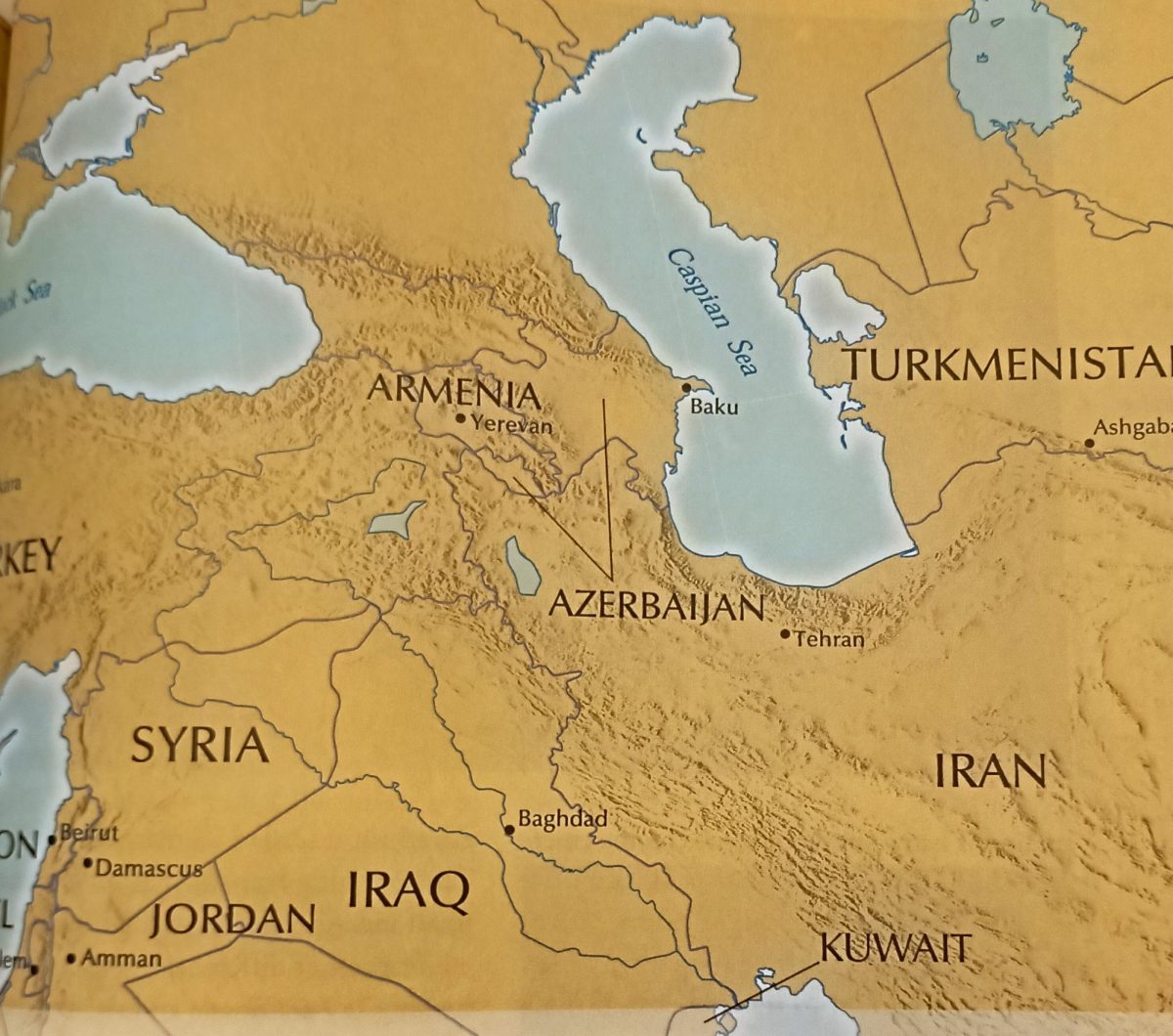
Following weeks of intense fighting between the United States, Israel, and Iran, Iranian officials have now responded to a U.S-backed proposal aimed at ending the war. The proposal, which was reportedly delivered through intermediaries in Qatar and Oman, called for an immediate ceasefire, restrictions on Iranian missile programs, and international inspections of military and nuclear facilities in exchange for a gradual lifting of sanctions and an end to military operations.
Iranian President Masoud Pezeshkian rejected several key parts of the proposal, saying that Iran would not agree to “humiliation under foreign pressure” while attacks on its territory continue. Iranian officials argued that the proposal favored the United States and Israel, demanding concessions from Iran without guarantees that future strikes would stop.
“The Iranian nation will not surrender its sovereignty, its security, or its scientific progress under threats and bombings,” Pezeshkian said during a televised address in Tehran.
The response comes after nearly two weeks of escalating conflict in the region. Since the death of Supreme Leader Ayatollah Ali Khamenei in Israeli and U.S coordinated strikes, Iran has launched retaliatory attacks against American military bases, Israeli cities, and Gulf infrastructure. The fighting has caused rising civilian casualties, widespread damage, and growing fears of a larger regional war.
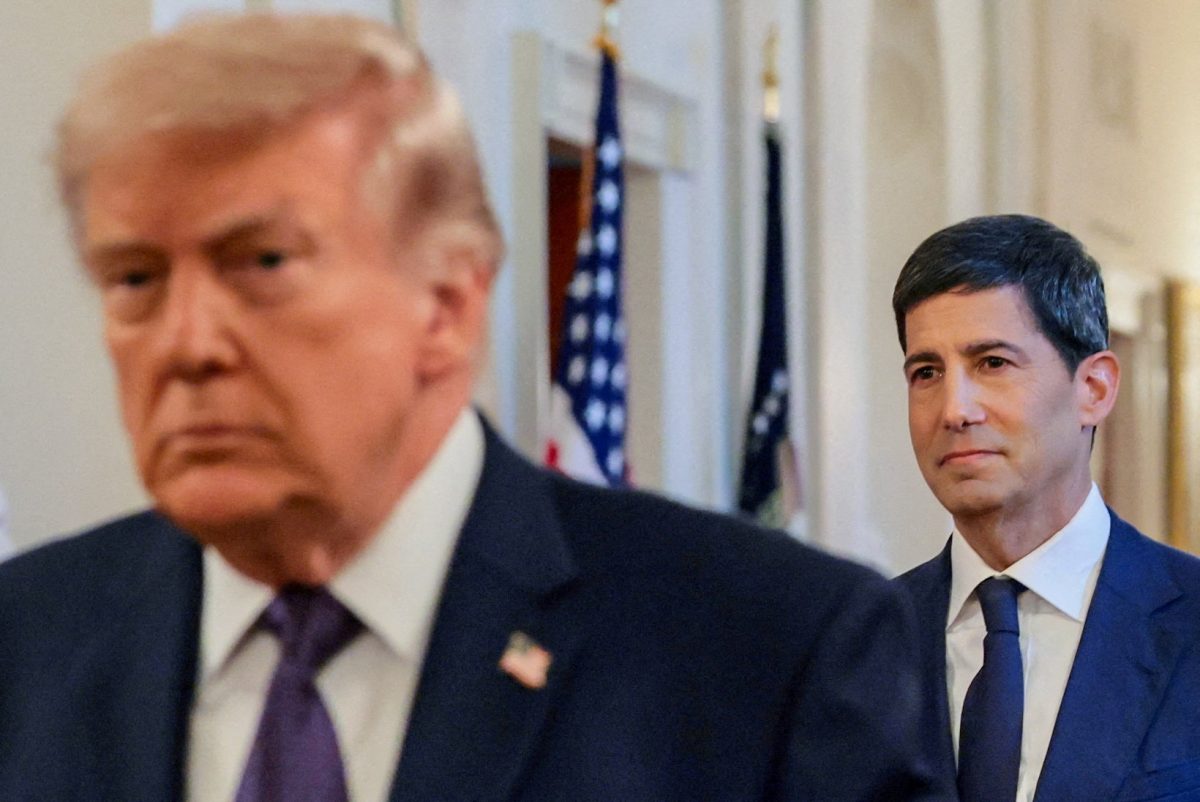
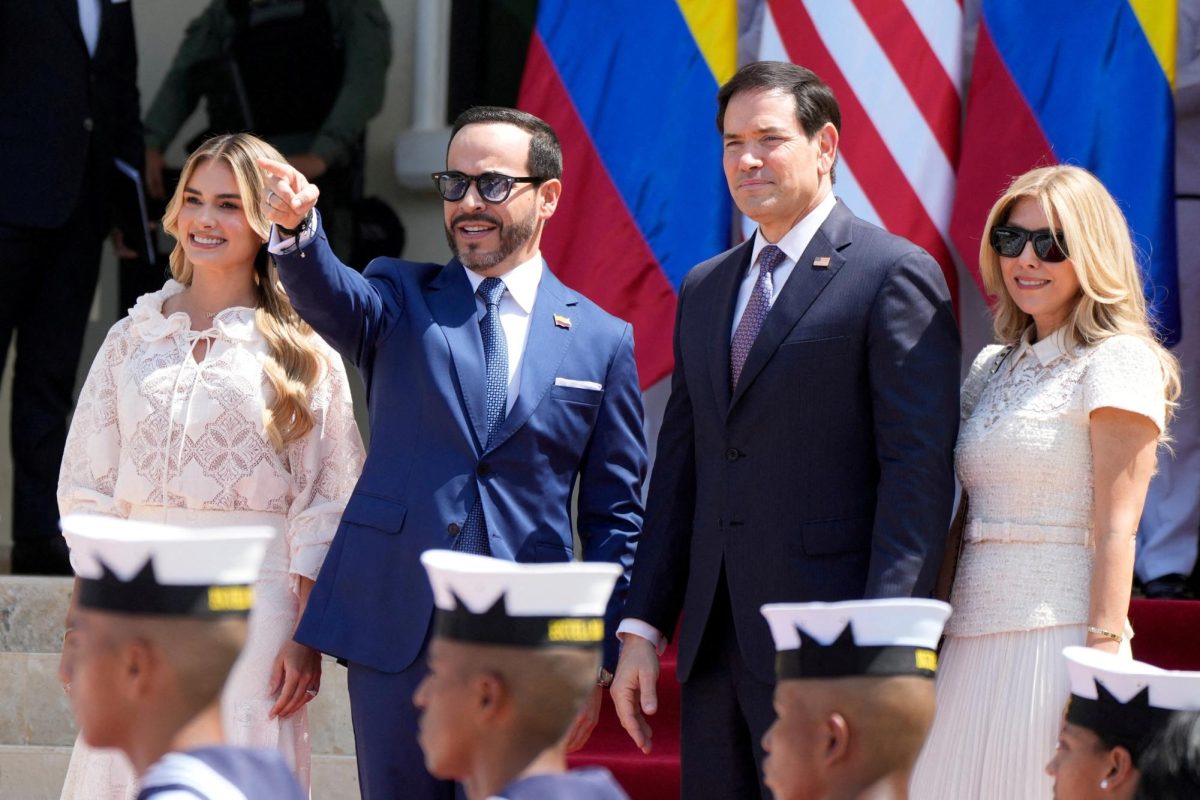
President Donald Trump stated that the U.S proposal was “a final opportunity for peace,” warning that if Iran refuses negotiations, military operations would continue. Secretary of State Marco Rubio also defended the proposal, saying it would “restore stability to the Middle East and prevent Iran from rebuilding its military capabilities.”
Despite rejecting portions of the deal, Iranian officials signaled they may still be open to indirect negotiations if bombing campaigns stop. Meanwhile, world leaders and the United Nations continue urging both sides to reach a ceasefire before the conflict spreads further across the Middle East.
As fighting continues, oil prices remain unstable, international flights across the region have been disrupted, and global markets continue reacting to fears of a prolonged war.