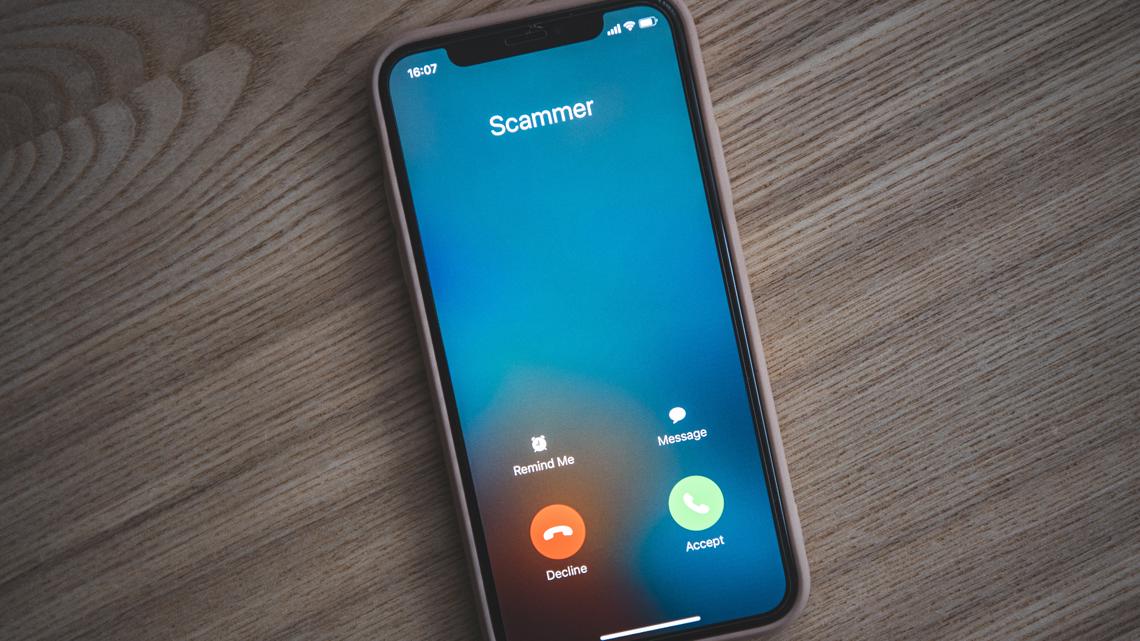
Cyberattacks and online scams have become a growing problem for people, businesses, and schools around the world. Experts say scams with fake emails, text messages, and social media accounts are increasing daily.
Many scams are created to steal money or personal information. The most known examples are false emails, fake online stores, and messages pretending to be from banks or delivery companies. Scammers usually try to make the scams feel urgent so victims act without checking if it is legitimate.
“My grandma got scammed by a fake email that pretended to be me and asked for money,” said ILS junior Camila Echeverri. “And now with AI it will be even harder to tell what’s real or fake.”
Schools and workplaces have also experienced problems with cyberattacks. Some schools have added lessons about internet safety to teach students how to tell if a link is suspicious and how to create good passwords. Businesses have started spending more on cybersecurity after a lot of companies started to report data breaches recently.
Some say social media has made scams easier because fake accounts and advertisements can reach more people faster. Teenagers are often the targets through hacked accounts, fake giveaways, and fraudulent shopping websites.
“People share a lot of personal information online without realizing,” said ILS junior Maria Nordholz. “Scammers can use the information on public accounts to create accounts using your identity.”
Government agencies and cybersecurity organizations continue to try to warn the public about online threats. They say to avoid unknown links, use strong passwords, and use two-factor authentication on your accounts.
Despite these warnings, online scams are still seen daily. Officials say some victims don’t report scams because they are embarrassed or don’t know what to do.
ILS junior Ashley Gomez says, “The more people know, the harder it is for scammers to succeed.”
As technology keeps evolving, experts think cybersecurity and internet safety will continue being a major global concern for the foreseeable future.