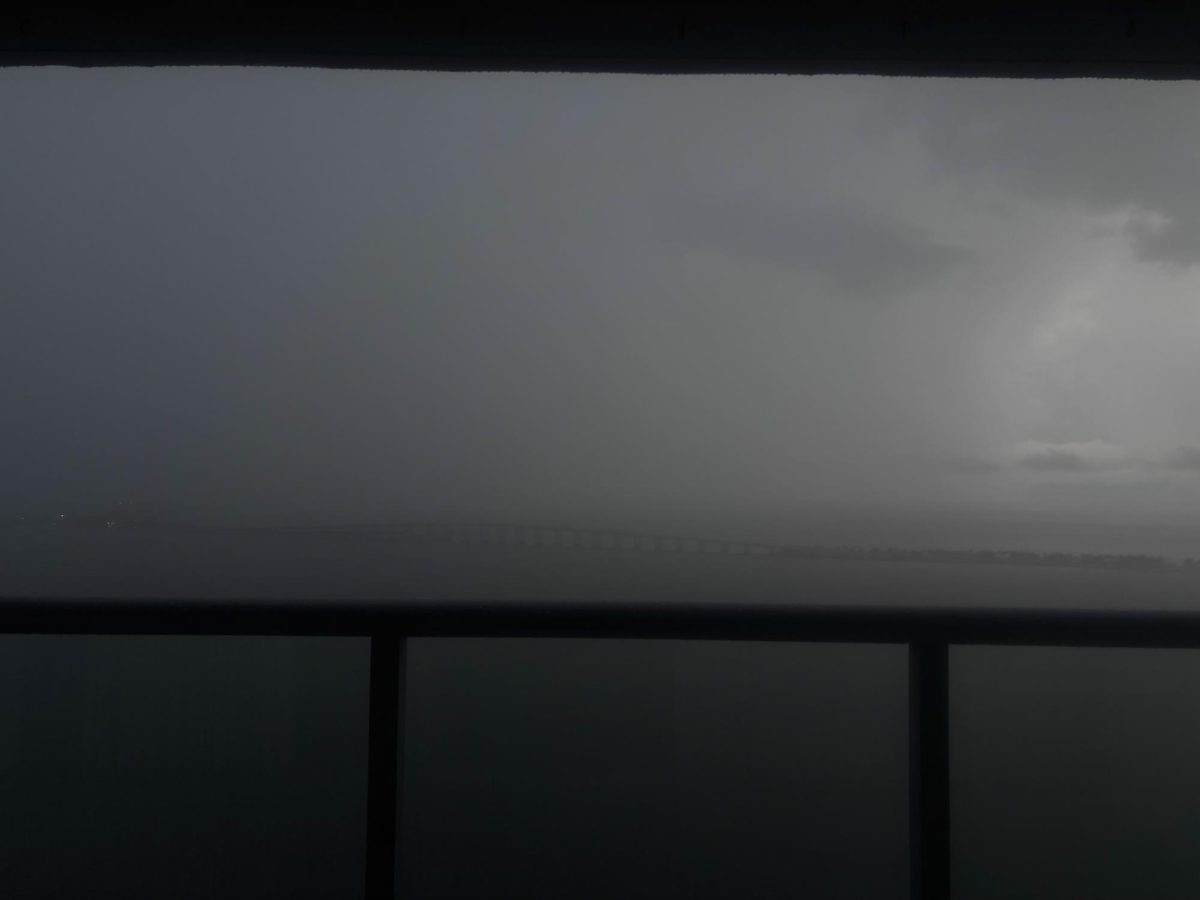
Living in Miami offers tropical weather, beautiful beaches, and a vibrant culture. However, living in South Florida also means navigating the Atlantic hurricane season, which officially runs every year from June 1 through November 30, with activity usually peaking between August and October. When severe weather threatens coastal areas, being proactive and well-prepared is the single most effective way to keep yourself, your family, and your property safe.
Essential Safety Steps to Take Before a Storm
Preparation should begin long before a system develops in the tropics. Taking care of key logistics early prevents last-minute panic and ensures you are ready if a emergency warning is issued.
- Build a 7-Day Disaster Supply KitEmergency officials in Florida recommend keeping at least a seven-day supply of essential items on hand:
- Water: Minimum of one gallon of water per person per day (for drinking and basic hygiene).
- Food: Non-perishable, easy-to-prepare food items along with a manual can opener.
- Medical Supplies: A full first-aid kit and at least a week’s supply of necessary prescription medications.
- Power & Lighting: Flashlights, extra batteries, portable phone chargers, and a battery-powered or hand-crank NOAA weather radio.
- Financials & Documents: A small supply of cash in small bills (since ATMs and card readers may lose power) and copies of important identification or insurance papers kept in a waterproof container.
- Know Your Evacuation ZoneMiami-Dade County is organized into storm surge evacuation zones ranging from Zone A to Zone F. Storm surge—sea water pushed inland by powerful winds—presents the greatest threat to life during a major tropical system. Visit the official Miami-Dade County website or call 311 to look up your home’s evacuation zone. If local authorities issue an evacuation order for your zone, leave promptly along designated routes.
- Secure Your Home and YardInspect storm shutters or pre-cut plywood to ensure windows can be protected quickly. Trim weak tree branches around your house and bring outdoor furniture, garden tools, and garbage cans inside so they do not become airborne debris during high winds.
Staying Safe During and After the Storm
When a storm makes landfall, remain indoors in an interior room away from windows, doors, and glass panels.Never venture outside during the eye of the storm, as destructive winds can resume suddenly.
Once the storm passes, continue exercising caution. Avoid driving or walking through flooded streets, as standing water can hide severe hazards, strong currents, or active electrical currents from fallen power lines. If running a gas generator during a power outage, always place it outdoors at least 20 feet away from windows and doors to prevent deadly carbon monoxide poisoning.
By staying informed through the National Hurricane Center and local emergency alerts, finalizing your supply kit early, and following official guidance, Miami residents can navigate the season safely and confidently.