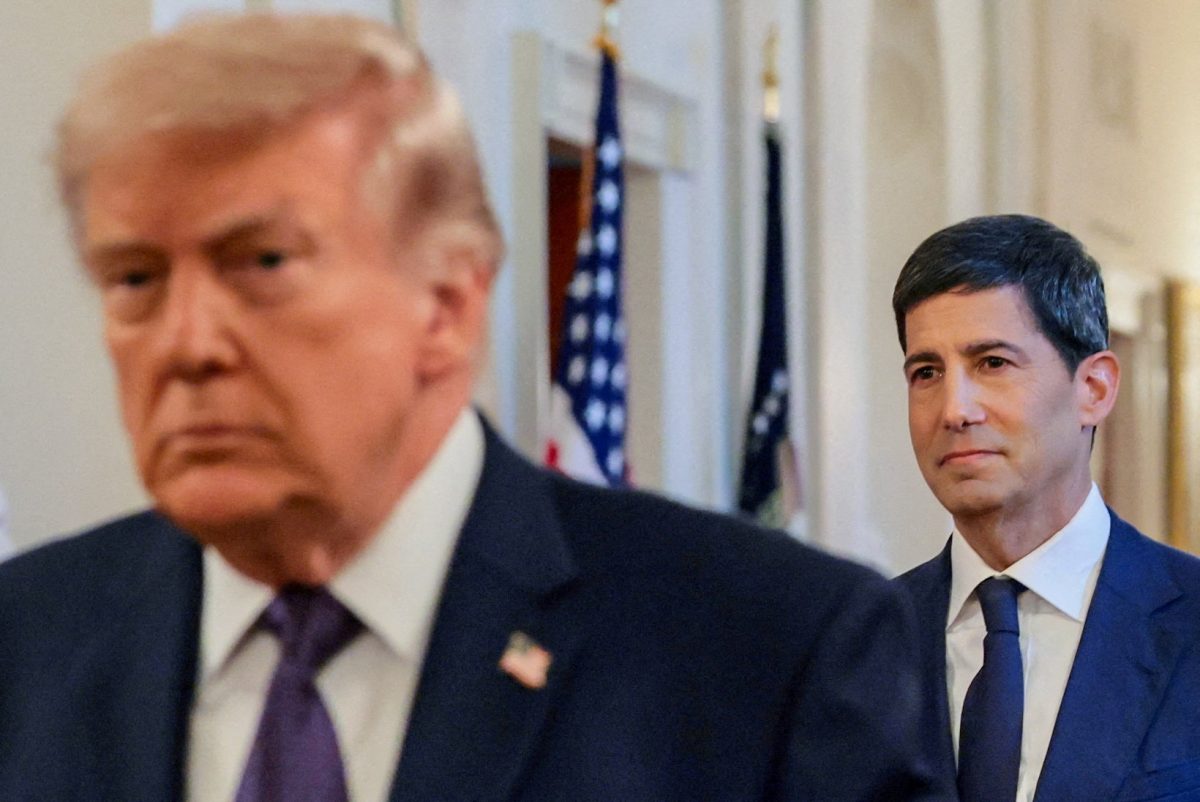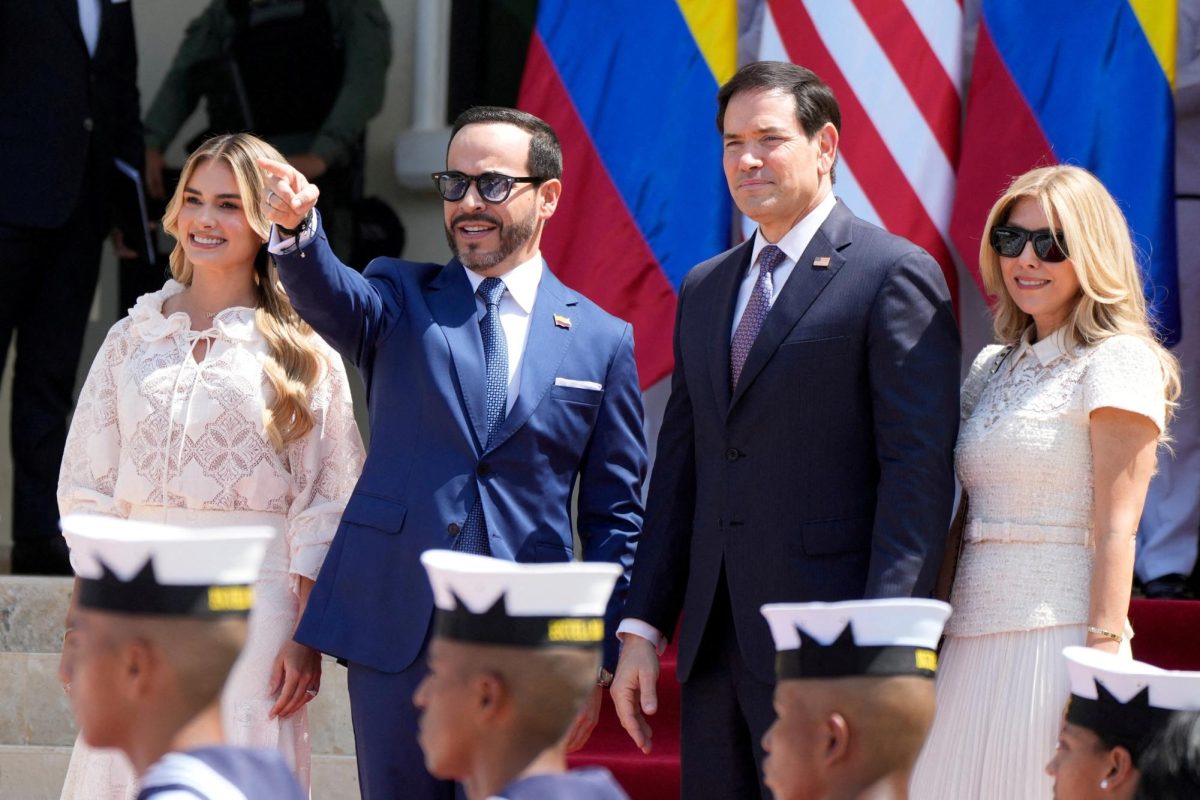
U.S. Secretary of State Marco Rubio met with Colombian President Abelardo de la Espriella in Barranquilla September 8, marking a pivotal shift toward rebuilding security and trade relations between the two nations. The high-level bilateral summit aimed to address regional stability, counter-narcotics strategies, and economic partnerships following several years of diplomatic friction between Washington and Bogota, Colombia’s capitol.
The official meeting focused heavily on expanding intelligence sharing, dismantling cartel operations, and securing critical mineral supply chains in South America. President de la Espriella reaffirmed his administration’s intent to align closely with Washington on border security initiatives, aerial crop spraying, and law enforcement against organized crime networks. Beyond immediate security measures, discussions covered future trade collaborations, civil nuclear energy frameworks, and broader economic stability across the region.
Supporters of the Colombian administration view the high-profile summit as an essential step toward restoring domestic order, attracting foreign investment, and rebuilding international credibility after years of shifting geopolitical policy in South America.
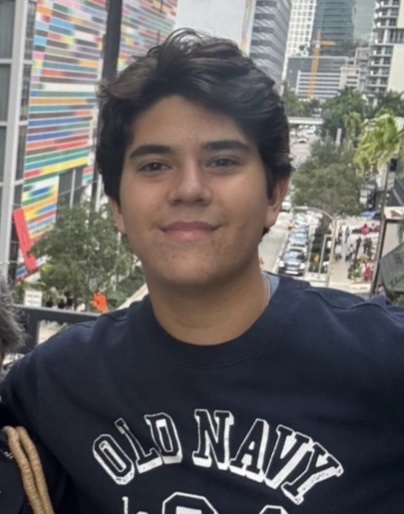
“De la Espriella is bringing real structure back to Colombia, and working directly with Rubio shows we are serious about safety,” said Colombian sophomore Jacobo Barón.
However, the rapid realignment has also generated broader discussion among students tracking regional current events, particularly regarding the delicate balance between foreign partnerships and national policy priorities.
“Aligning with the U.S. gives our security forces much better intelligence tools, but it also means adapting to Washington’s strategic agenda,” said Colombian sophomore David Sierra.
The comprehensive agreements reached during the Barranquilla summit establish a renewed framework for joint military operations, economic integration, and active diplomatic engagement, setting the stage for an evolving strategic partnership across the Western Hemisphere over the coming years as both nations navigate shared regional challenges across the Americas today, establishing clear precedents for future foreign policy cooperation.