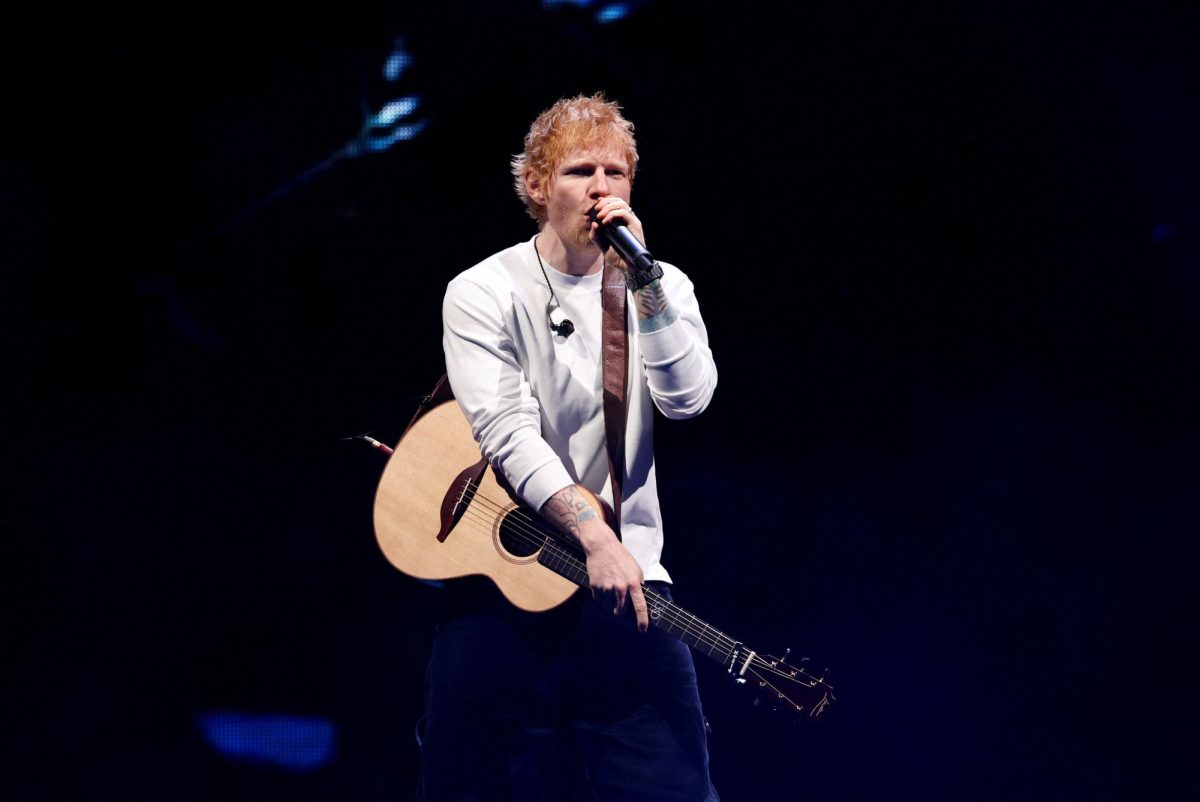
A controversy involving musicians Macklemore and Ed Sheeran has gained attention online, raising questions about political statements during concerts and the responsibilities of performers.
The situation reportedly began after Macklemore made statements supporting Palestine while performing during Sheeran’s tour. His comments attracted attention on social media, where fans expressed different opinions about the situation.
Following the performance, Macklemore was removed from the remaining tour dates. Sheeran later addressed the controversy, explaining that the decision came from concert promoters rather than himself.
The situation led to discussions about whether artists should use concerts to express political opinions or focus mainly on entertaining their audiences.
Junior Ana Julia shared her perspective on the situation.
“I think musicians have the right to share their opinions, but they should also understand that not everyone in the audience will agree with them,” she said.
While some fans supported Macklemore’s decision to speak publicly, others questioned whether political discussions belonged at concerts.
Senior Sienna Farach offered another perspective.
“I think concerts should mainly be about music because people buy tickets to enjoy the performance, not necessarily to hear about political issues,” Sienna said.
As the controversy continued, Sheeran responded publicly, while Macklemore maintained his position on the issue. Their responses generated further discussion about the relationship between entertainment and politics.
Senior Mia Casanueva expressed a different viewpoint.
“I think both sides have their reasons, and people should be able to disagree without turning the situation into a bigger conflict,” Mia said.
The controversy demonstrates how public statements from celebrities can create different reactions among audiences. It also highlights the challenges performers and concert organizers face when political opinions become part of live entertainment.
Although fans remain divided, the situation continues to encourage discussions about freedom of expression, professional decisions, and the role of politics in the music industry.