The results of the 2025 Programme for International Student Assessment, also known as PISA, were released on September 8, 2026. The international test measured the skills of more than 760,000 students across 91 countries and economies. The results showed that reading and math scores have continued to decline in many parts of the world.
PISA tests students around age 15 in reading, mathematics, and science. The goal is to see how well they can use what they learn in school to solve real-life problems. This year’s results showed that science scores stayed mostly stable compared with 2022, while reading and math continued to struggle.
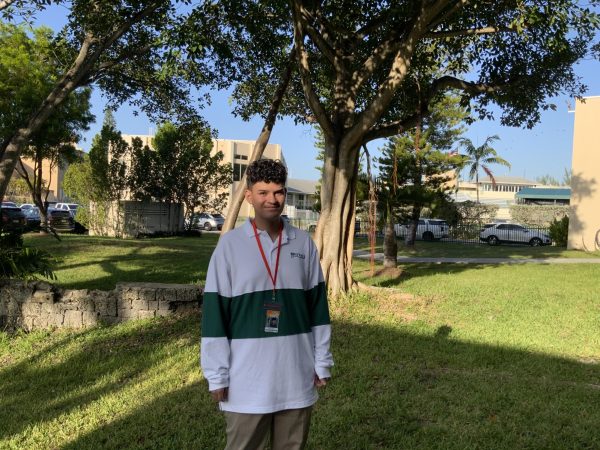
“The test was pretty hard last year when I took it,” said sophomore Mateo Lartigue.
According to the Organisation for Economic Co-operation and Development (OECD), average reading scores dropped by 28 points between 2015 and 2025. Mathematics scores also fell by 22 points during the same period. The decline has raised concerns about whether students are getting the support they need to succeed in school.
”I had way better scores than my nephew when I was his age,” said ILS alum, Brian Nuñez.
Some countries performed better than others. Singapore, Japan, South Korea, and Estonia were among the strongest education systems in the results. These countries showed strong performance across multiple subjects, while many others continued to face challenges.
The United States also had mixed results. American students scored above the international average in reading and science, while mathematics scores were close to the average. However, U.S. reading and math scores remained near their lowest levels in more than two decades.
Experts have pointed to several possible reasons for the decline, including learning difficulties following the pandemic, distractions from digital devices, and less reading for enjoyment. The results also showed that students from wealthier families generally performed better in science than those from less advantaged backgrounds.
Overall, the PISA 2025 results highlight the challenges facing education systems around the world. The findings could help schools and governments improve teaching methods, support struggling students, and prepare young people for the future.